
Copyright © 2024 Yutong (Zhejiang) Medical Technology Co. , Ltd.
Comparing Portable Electric Wheelchairs: Battery Life vs. Weight vs. Price – The Ultimate Buyer's Guide
Choosing the perfect portable electric wheelchair often feels like a balancing act. You want the freedom of long battery life, the ease of a lightweight design, but your decision is inevitably framed by your budget. It’s the industry’s classic trilemma: you can usually optimize for two, but rarely all three at once.
For active individuals, travelers, and seniors seeking independence, understanding this balance is crucial. This guide breaks down the relationship between battery life, weight, and price to help you make an informed decision that aligns with your lifestyle and needs. We’ll also explore where the market’s sweet spot lies and how to identify the best value.

The Core Triangle: Understanding the Trade-Offs
1. Battery Life & Range: The Engine of Your Independence
Battery life, measured in miles or kilometers per charge, dictates how far you can go without worrying about a power outlet.
-
What Impacts It? Capacity (measured in Amp-hours, Ah, or Watt-hours, Wh), motor efficiency, user weight, and terrain.
-
The Trade-Off: Higher capacity batteries are heavier and more expensive. Doubling your range doesn’t just double the cost; it adds significant weight and physical bulk to the chair. For true portability, the battery must also be airline-compliant (typically under 300Wh), which sets a practical upper limit for flyers.
2. Weight: The Key to True Portability
This isn’t just the user weight capacity, but the chair’s own weight. It determines how easy it is to lift, fold, and transport.
-
What Impacts It? Frame material (aircraft-grade aluminum vs. steel), motor size, and battery capacity.
-
The Trade-Off: Achieving a lower weight requires advanced, expensive materials and engineering. A chair under 50 lbs (22.7 kg) is a game-changer for car travel but often commands a premium. The lightest models may make compromises on maximum user weight or battery size.
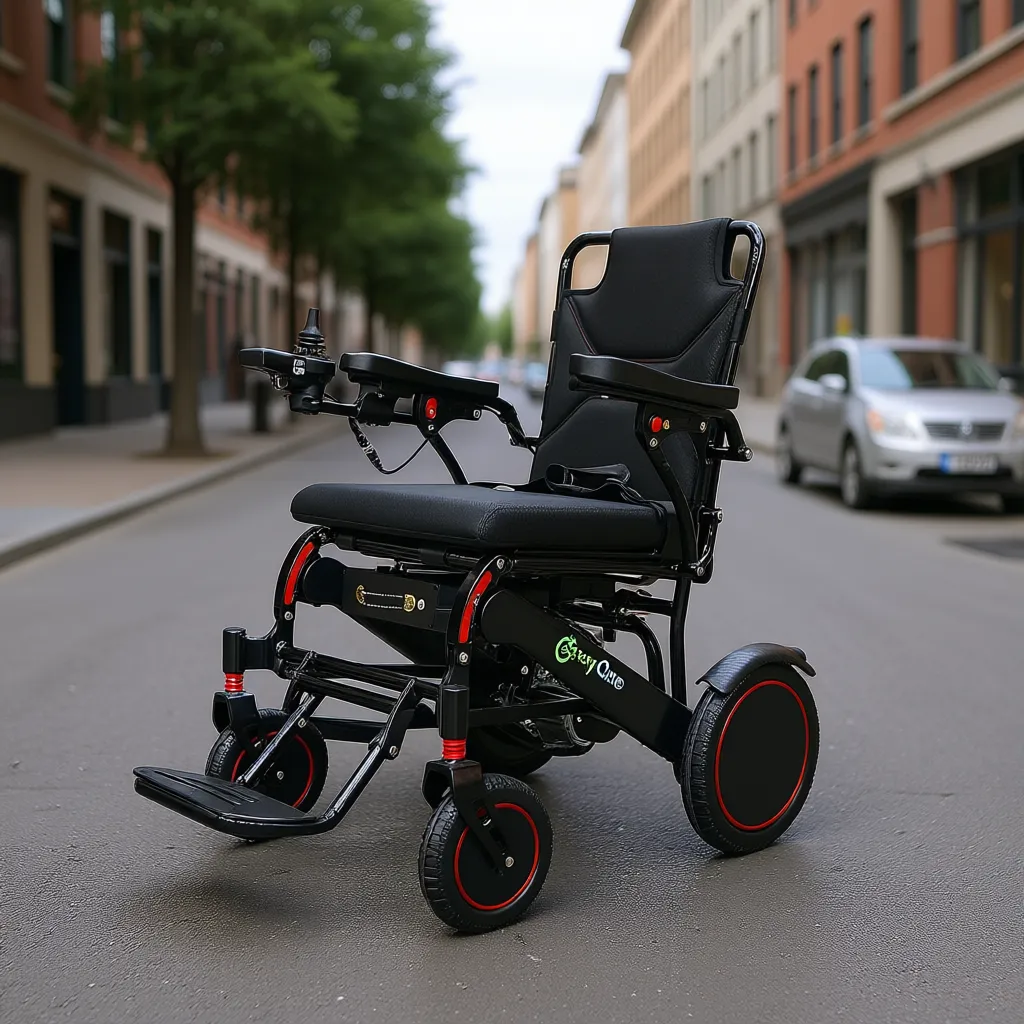
3. Price: The Final Decision Factor
Price reflects materials, engineering, brand R&D, and features.
-
Low-End Range ($800 - $1,500): Often heavier steel frames, basic motors, smaller batteries (shorter range), and fewer features like advanced suspension or smart controls. Portability is often limited.
-
Mid-Range ($1,500 - $3,000): The sweet spot for most buyers. Here you find lightweight aluminum frames, respectable batteries (10-15 mile range), and reliable folding mechanisms. This is where optimal balance is typically found.
-
High-End ($3,000+): Premium materials (carbon fiber), longest-range batteries, ultra-compact folds, smart connectivity, and superior ride comfort. You’re paying for peak performance and engineering.
The Comparison: Finding Your Priority
The table below illustrates how these factors interact across common market segments. Think about which “Profile” best matches your primary needs.
| Priority Profile | Typical Battery Range | Typical Weight | Typical Price Point | Best For... |
| The Budget-Conscious | Shorter (10-12 miles) | Heavier (55-70 lbs) | Low to Mid | Occasional use, flat terrain, where transport assistance is available. |
| The Frequent Traveler | Moderate (12-18 miles) | Light (40-50 lbs) | Mid to High | Those who value easy lifting and compact folds for cars/planes over marathon range. |
| The Long-Distance Explorer | Long (18-25+ miles) | Heavier (60-75 lbs) | High | All-day outings without charging; accepts heavier weight for larger battery. |
| The Balanced Optimizer | Moderate-Long (15-20 miles) | Lightweight (45-55 lbs) | Mid-Range | The best value balance. Strong performance on key metrics without premium price. |
The “Sweet Spot”: Where Value Meets Performance
For most users seeking a truly portable electric wheelchair, the mid-range market offers the most intelligent balance. Here’s what to look for in this category:
-
Frame: High-strength, lightweight aluminum alloy. This is non-negotiable for a good strength-to-weight ratio.
-
Battery: A removable, airline-compliant lithium battery (around 280-300Wh) offering 12-18 miles of real-world range. Removability is key for easy charging and transport.
-
Weight: A total chair weight between 45-55 lbs (20-25 kg), making it manageable for most adults to lift into a car.
-
Features: A reliable quick-folding mechanism, adjustable seating, and good basic support.
This combination ensures you aren’t sacrificing essential portability for range you won’t use daily, nor overpaying for extreme lightweight carbon fiber construction.
FAQ: Your Key Questions Answered
Q1: What is more important for air travel: battery size or chair weight?
A: Both are critical, but battery specs are regulated. The battery must be under the airline’s Wh limit (usually 300Wh) and often must be carried on. Chair weight determines how easily you can handle it at the airport. A lightweight, sub-50lb chair with an airline-compliant battery is the ideal travel combo.
Q2: Can I find a very lightweight and long-range chair at a low price?
A: Realistically, no. Ultra-light materials (like advanced aluminum/carbon fiber) and high-capacity batteries are the two most expensive components. A chair claiming all three at a low price likely compromises on motor power, durability, or safety. Focus on the best balance within your budget.
Q3: How can I maximize the battery life of my portable wheelchair?
A: Maintain proper tire pressure, avoid constant steep inclines, and follow charging best practices (avoid full discharges, store partially charged). Regular maintenance ensures the motor runs efficiently.
Q4: Is a heavier chair always more durable?
A: Not necessarily. A well-engineered aluminum frame can be more durable and corrosion-resistant than a poorly made, heavier steel frame. Build quality and design matter more than raw weight.
Conclusion: Making Your Smart Choice
The “best” portable electric wheelchair isn’t the one with the single highest spec—it’s the one that best aligns your priorities.
-
Audit Your Lifestyle: Do you fly monthly or drive to the park? Your portability needs (weight/fold) come first.
-
Map Your Routine: Calculate your typical daily distance. Buy for your regular needs, not a once-a-year outlier.
-
Set a Realistic Budget: Invest in the highest-quality balance you can afford in the mid-range. This is a tool for independence—quality matters.
Ultimately, the modern market offers excellent options that skillfully balance these three pillars. By focusing on engineered lightweight frames and smart battery design, leading manufacturers deliver chairs that refuse to force you into a difficult compromise, offering liberating performance where it matters most.
Ready to compare models that master this balance? Explore our detailed guides and product comparisons to find a portable electric wheelchair that delivers on range, portability, and value for your next adventure.
Choosing the perfect portable electric wheelchair often feels like a balancing act. You want the freedom of long battery life, the ease of a lightweight design, but your decision is inevitably framed by your budget. It’s the industry’s classic trilemma: you can usually optimize for two, but rarely all three at once.
For active individuals, travelers, and seniors seeking independence, understanding this balance is crucial. This guide breaks down the relationship between battery life, weight, and price to help you make an informed decision that aligns with your lifestyle and needs. We’ll also explore where the market’s sweet spot lies and how to identify the best value.
The Core Triangle: Understanding the Trade-Offs
1. Battery Life & Range: The Engine of Your Independence
Battery life, measured in miles or kilometers per charge, dictates how far you can go without worrying about a power outlet.
-
What Impacts It? Capacity (measured in Amp-hours, Ah, or Watt-hours, Wh), motor efficiency, user weight, and terrain.
-
The Trade-Off: Higher capacity batteries are heavier and more expensive. Doubling your range doesn’t just double the cost; it adds significant weight and physical bulk to the chair. For true portability, the battery must also be airline-compliant (typically under 300Wh), which sets a practical upper limit for flyers.
2. Weight: The Key to True Portability
This isn’t just the user weight capacity, but the chair’s own weight. It determines how easy it is to lift, fold, and transport.
-
What Impacts It? Frame material (aircraft-grade aluminum vs. steel), motor size, and battery capacity.
-
The Trade-Off: Achieving a lower weight requires advanced, expensive materials and engineering. A chair under 50 lbs (22.7 kg) is a game-changer for car travel but often commands a premium. The lightest models may make compromises on maximum user weight or battery size.
3. Price: The Final Decision Factor
Price reflects materials, engineering, brand R&D, and features.
-
Low-End Range ($800 - $1,500): Often heavier steel frames, basic motors, smaller batteries (shorter range), and fewer features like advanced suspension or smart controls. Portability is often limited.
-
Mid-Range ($1,500 - $3,000): The sweet spot for most buyers. Here you find lightweight aluminum frames, respectable batteries (10-15 mile range), and reliable folding mechanisms. This is where optimal balance is typically found.
-
High-End ($3,000+): Premium materials (carbon fiber), longest-range batteries, ultra-compact folds, smart connectivity, and superior ride comfort. You’re paying for peak performance and engineering.
The Comparison: Finding Your Priority
The table below illustrates how these factors interact across common market segments. Think about which “Profile” best matches your primary needs.
| Priority Profile | Typical Battery Range | Typical Weight | Typical Price Point | Best For... |
| The Budget-Conscious | Shorter (10-12 miles) | Heavier (55-70 lbs) | Low to Mid | Occasional use, flat terrain, where transport assistance is available. |
| The Frequent Traveler | Moderate (12-18 miles) | Light (40-50 lbs) | Mid to High | Those who value easy lifting and compact folds for cars/planes over marathon range. |
| The Long-Distance Explorer | Long (18-25+ miles) | Heavier (60-75 lbs) | High | All-day outings without charging; accepts heavier weight for larger battery. |
| The Balanced Optimizer | Moderate-Long (15-20 miles) | Lightweight (45-55 lbs) | Mid-Range | The best value balance. Strong performance on key metrics without premium price. |
The “Sweet Spot”: Where Value Meets Performance
For most users seeking a truly portable electric wheelchair, the mid-range market offers the most intelligent balance. Here’s what to look for in this category:
-
Frame: High-strength, lightweight aluminum alloy. This is non-negotiable for a good strength-to-weight ratio.
-
Battery: A removable, airline-compliant lithium battery (around 280-300Wh) offering 12-18 miles of real-world range. Removability is key for easy charging and transport.
-
Weight: A total chair weight between 45-55 lbs (20-25 kg), making it manageable for most adults to lift into a car.
-
Features: A reliable quick-folding mechanism, adjustable seating, and good basic support.
This combination ensures you aren’t sacrificing essential portability for range you won’t use daily, nor overpaying for extreme lightweight carbon fiber construction.
FAQ: Your Key Questions Answered
Q1: What is more important for air travel: battery size or chair weight?
A: Both are critical, but battery specs are regulated. The battery must be under the airline’s Wh limit (usually 300Wh) and often must be carried on. Chair weight determines how easily you can handle it at the airport. A lightweight, sub-50lb chair with an airline-compliant battery is the ideal travel combo.
Q2: Can I find a very lightweight and long-range chair at a low price?
A: Realistically, no. Ultra-light materials (like advanced aluminum/carbon fiber) and high-capacity batteries are the two most expensive components. A chair claiming all three at a low price likely compromises on motor power, durability, or safety. Focus on the best balance within your budget.
Q3: How can I maximize the battery life of my portable wheelchair?
A: Maintain proper tire pressure, avoid constant steep inclines, and follow charging best practices (avoid full discharges, store partially charged). Regular maintenance ensures the motor runs efficiently.
Q4: Is a heavier chair always more durable?
A: Not necessarily. A well-engineered aluminum frame can be more durable and corrosion-resistant than a poorly made, heavier steel frame. Build quality and design matter more than raw weight.
Conclusion: Making Your Smart Choice
The “best” portable electric wheelchair isn’t the one with the single highest spec—it’s the one that best aligns your priorities.
-
Audit Your Lifestyle: Do you fly monthly or drive to the park? Your portability needs (weight/fold) come first.
-
Map Your Routine: Calculate your typical daily distance. Buy for your regular needs, not a once-a-year outlier.
-
Set a Realistic Budget: Invest in the highest-quality balance you can afford in the mid-range. This is a tool for independence—quality matters.
Ultimately, the modern market offers excellent options that skillfully balance these three pillars. By focusing on engineered lightweight frames and smart battery design, leading manufacturers deliver chairs that refuse to force you into a difficult compromise, offering liberating performance where it matters most.
Ready to compare models that master this balance? Explore our detailed guides and product comparisons to find a portable electric wheelchair that delivers on range, portability, and value for your next adventure.
Make every space a safer place!