
Copyright © 2024 Yutong (Zhejiang) Medical Technology Co. , Ltd.
Portable Power: What Makes a Mobility Device Truly Travel-Friendly?
For millions of people worldwide, mobility devices are the key to independence. But when it comes to travel—whether by air, train, or automobile—not all devices are created equal. A wheelchair or scooter that works perfectly at home can become a frustrating obstacle on the road if it isn't designed with portability in mind.
So what exactly makes a mobility device truly travel-friendly? Drawing on expert insights, airline regulations, and the latest innovations in mobility technology, this guide breaks down the essential features that separate travel-ready devices from those best left at home.
What Does "Travel-Friendly" Really Mean?
A travel-friendly mobility device is one that moves through the world as easily as you do. It's lightweight enough to lift, compact enough to store, and smart enough to comply with transportation regulations. Most importantly, it empowers you to go where you want, when you want—without complicated logistics or reliance on others.
As one mobility expert puts it: "You want something that supports your needs without feeling heavy or bulky" -2. This philosophy underpins every aspect of true travel-ready design.
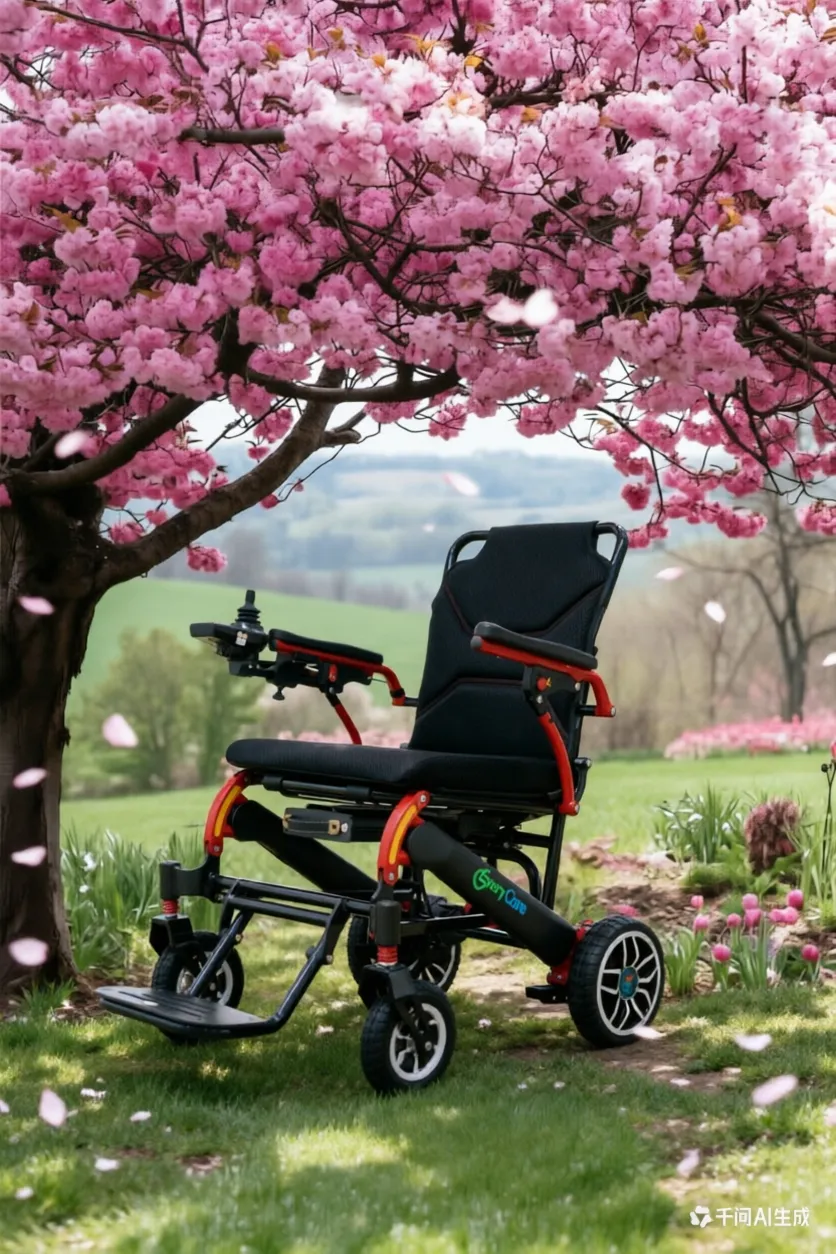
The 5 Essential Elements of Travel-Friendly Mobility
1. Lightweight, High-Strength Construction
Why it matters: Weight is the single biggest factor affecting portability. A heavy device can turn a simple car trip into a major undertaking and make independent travel nearly impossible.
What to look for:
-
Aerospace-grade aluminum or magnesium alloys – These materials offer exceptional strength-to-weight ratios. Advanced electric scooters now use materials like magnesium and aerospace aluminum that are "allowing easy carrying in the trunk of any private car" -8.
-
Total weight under 50 lbs (23 kg) – For true portability, the complete device should be manageable for one person to lift. Some premium models achieve astonishing lightness: the non-powered version of one innovative scooter weighs only about 6 kg, while its electric version weighs approximately 11 kg -4.
-
Heaviest removable piece under 45 lbs – Many travel scooters break down into components. The heaviest piece typically weighs between 44 and 57 pounds -6. Aim for the lower end of this range.
| Material | Weight | Strength | Typical Use |
|---|---|---|---|
| Traditional Steel | Heavy | High | Stationary/clinical use |
| Standard Aluminum | Moderate | Moderate | Basic portability |
| Aerospace Aluminum/Magnesium | Ultra-light | High | True travel-friendly devices |
2. Intelligent Folding or Disassembly
Why it matters: A device that folds quickly and compactly transforms how you travel. It fits in car trunks, taxi trunks, and overhead bins—opening up transportation options that would otherwise be unavailable.
What to look for:
-
One-touch or remote folding – The latest innovations include "an autonomous folding mechanism operated with a single button press or via remote control, allowing them to shrink to the size of a compact trolley suitcase within seconds" -8.
-
Tool-free operation – Look for devices that fold or disassemble without tools, saving time and effort -2.
-
Compact folded dimensions – When folded, the device should fit in standard car trunks and meet airline size restrictions for checked baggage.
-
Upright storage capability – Some devices can stand on end when folded, making them easier to maneuver in tight spaces like hotel rooms.
Pro tip: "Mobility tools that fold or come apart are easier to move and store. If you're staying in a hotel or a rental home, this feature makes things a lot easier" -2.
3. Airline-Compliant Lithium Battery
Why it matters: Your battery is your passport to air travel. If it doesn't meet airline regulations, you may be forced to leave your device behind. Lithium batteries require special precautions when transported by air "due to high susceptibility to catch fire or even explode as a result of high temperatures, impact or faulty construction" -7.
The critical numbers:
-
Under 300Wh for a single battery – For battery-powered wheelchairs or mobility aids, "the battery must not exceed 300 Wh" -7.
-
160Wh limit for dual-battery systems – For devices fitted with two batteries required for operation, "each battery must not exceed 160 Wh" -7.
-
Spare battery limits – You may carry "a maximum of one spare battery not exceeding 300 Wh or two spares, each not exceeding 160 Wh" -7.
Battery requirements at a glance -3-7:
| Battery Type | Capacity | Carry-on | Checked | Airline Approval |
|---|---|---|---|---|
| In device | Up to 100Wh | Yes | Yes | Not required |
| In device | 100-160Wh | Yes | Yes | Required |
| In device | Over 160Wh | No | No | Forbidden |
| Spare battery | Up to 100Wh | Yes | No | Not required |
| Spare battery | 100-160Wh | Yes | No | Required |
| Spare battery | Over 160Wh | No | No | Forbidden |
Removable battery advantage:
"If your battery-powered wheelchair or mobility aid is specifically designed to allow its battery to be removed (e.g., collapsible), the battery must be removed and carried with you in the cabin" -7. This makes removable batteries ideal for air travel.
Terminal protection is mandatory:
When batteries are removed, "its terminals are insulated (e.g., taping over the exposed terminals) and protected from damage by placing it in a protective pouch" -7.
4. All-Day Comfort and Practical Range
Why it matters: A travel-friendly device must perform when you need it. Running out of battery mid-journey or suffering from discomfort can ruin any trip.
What to look for:
-
10-15 mile real-world range – "You can usually travel between 10 and 15 miles on a single charge, which is enough for most airport trips and sightseeing" -6.
-
Lithium-ion battery type – "These batteries are lighter and charge faster than older types" -6.
-
Padded, adjustable seating – "Look for features like padded seats, backrests, and arm support. You'll enjoy your time much more when you're not worrying about sore spots or feeling too tired" -2.
-
Suspension for varied terrain – Many travel-friendly models now feature "powerful and quiet motors that allow exceptional maneuverability, including a full 360-degree rotation in place" -8.
5. Smart Features for Modern Travelers
Why it matters: The latest mobility devices incorporate technology that makes travel smoother and more enjoyable.
Innovations to consider:
-
Smartphone integration – "One of the main innovations is full smartphone integration through a dedicated app. The user can control the chair remotely, summon it from another room, and even monitor battery status in real time" -8.
-
Quiet operation – Modern devices feature "quiet motors" that won't disturb your travels or draw unwanted attention -8.
-
Durability for airport environments – Look for devices built to handle "busy places like terminals and ramps" with larger wheels and better suspension -6.
Air Travel: The Ultimate Test of Travel-Friendliness
If you plan to fly with your mobility device, preparation is essential. Here's what you need to know:
Before You Fly
-
Call your airline 48-72 hours in advance – "The request for approval must be done preferably at the time of booking but no later than 72 hours prior to your day of departure" -7.
-
Know your battery's watt-hour rating – Check the battery label or manual. If you can't find it, contact the manufacturer.
-
Prepare documentation – Some experts recommend printing your device's specifications and airline approval certificate -6.
At the Airport
-
Arrive early – Give yourself plenty of time for check-in and security.
-
Inform staff immediately – Tell airline personnel you have a battery-powered mobility device -3.
-
Remove battery if required – For devices designed to allow battery removal, do this before reaching the check-in desk -7.
-
Protect battery terminals – Use tape to insulate exposed terminals and place the battery in a protective pouch -7.
Security Screening
-
You may remain in your device during screening
-
Security will inspect the device, especially the battery compartment
-
Cooperate fully and explain any special features
Practical Checklist: Is Your Device Truly Travel-Friendly?
Use this checklist to evaluate your current device or when shopping for a new one:
-
Weight: Under 50 lbs total? Heaviest removable piece under 45 lbs?
-
Folding: One-touch or simple tool-free operation? Compact when folded?
-
Battery: Lithium-ion? Under 300Wh? Removable? Terminals protectable?
-
Range: At least 10-15 miles real-world range?
-
Comfort: Adjustable seat and armrests? Adequate padding?
-
Terrain: Can handle airport ramps and varied surfaces?
-
Airline approval: Meets FAA/IATA regulations? -6
The Bottom Line
A truly travel-friendly mobility device liberates you from logistical worries. It's light enough to lift, compact enough to store, and smart enough to comply with transportation regulations. As one mobility provider notes, "Lightweight travel mobility scooters are built for busy places like terminals and ramps" -6—and the same applies to travel wheelchairs.
When choosing a device, prioritize weight, foldability, battery compliance, and comfort. These four factors will determine whether your mobility aid enables adventure or becomes an obstacle to it.
The good news? "Modern electric devices" are now available that "combine lightweight engineering, quiet motors, and advanced control technologies" -8. Whether you're navigating airport terminals, exploring new cities, or simply enjoying a day out, the right travel-friendly device makes all the difference.
Frequently Asked Questions
Q: Can I take my mobility scooter on any airplane?
A: Most airlines accept mobility devices, but you must comply with battery regulations (under 300Wh for a single battery) and notify the airline in advance -6-7.
Q: How do I find my battery's watt-hour rating?
A: Check the battery label, user manual, or contact the manufacturer. You can also calculate it: Watt hours (Wh) = Voltage (V) × Amp hours (Ah) -3.
Q: What's the ideal weight for a travel-friendly wheelchair?
A: For true portability, look for total weight under 50 lbs (23 kg), with the heaviest removable piece under 45 lbs -6.
Q: How long should my battery last for travel?
A: Most travel-friendly devices offer 10-15 miles of real-world range, sufficient for airport transfers and daily sightseeing -6.
Q: Are newer smart features worth it?
A: Features like smartphone control and real-time battery monitoring can significantly enhance convenience, especially for independent travelers -8.
Q: What is a travel wheelchair for travelling?
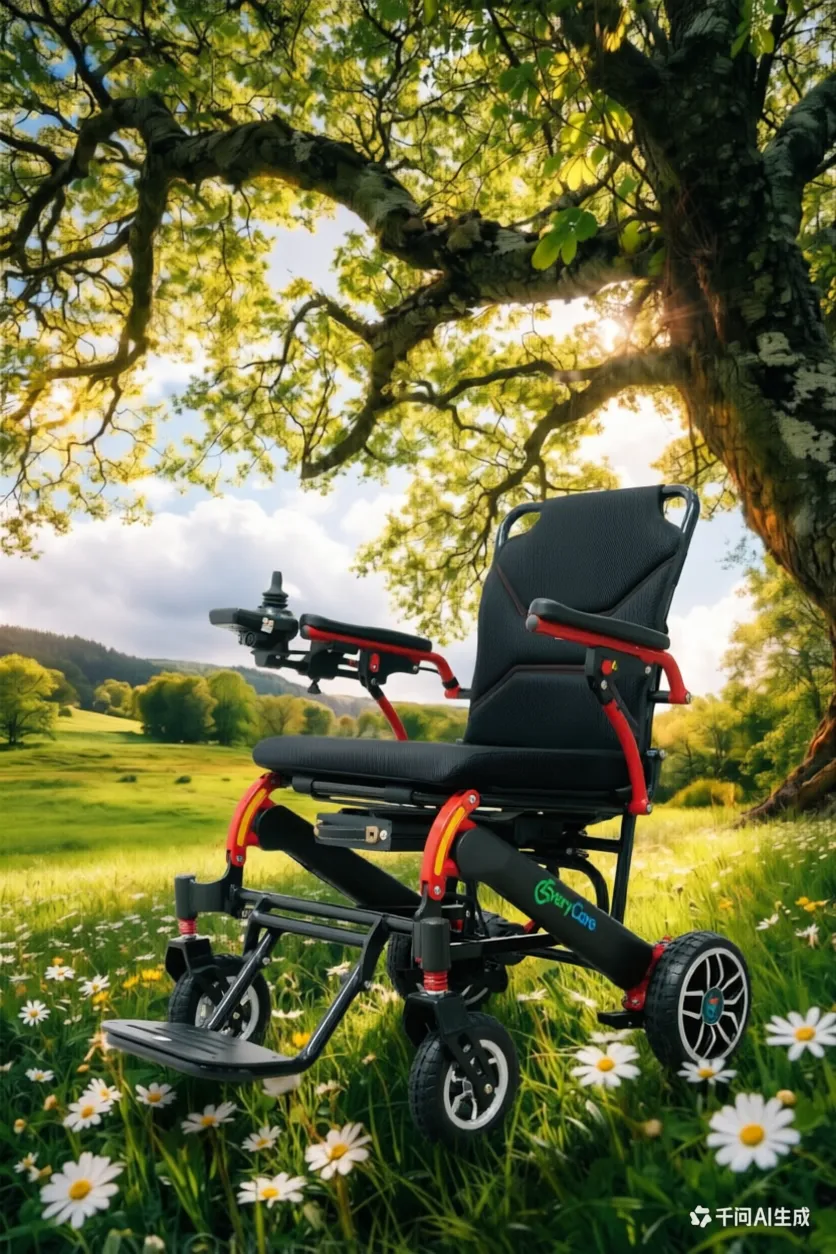
A: The travel power electric wheelchair features lightweight, folding machanism, and portability. It can fit the car trunk and can be carried on board to travel to a long distance. And at the same time, the modern, stylish design of the wheelchair can add more enjoyment to the journies.
Ready to explore travel-friendly mobility options? Look for devices that combine lightweight construction, intelligent folding, airline-compliant batteries, and all-day comfort—your passport to stress-free travel.
For millions of people worldwide, mobility devices are the key to independence. But when it comes to travel—whether by air, train, or automobile—not all devices are created equal. A wheelchair or scooter that works perfectly at home can become a frustrating obstacle on the road if it isn't designed with portability in mind.
So what exactly makes a mobility device truly travel-friendly? Drawing on expert insights, airline regulations, and the latest innovations in mobility technology, this guide breaks down the essential features that separate travel-ready devices from those best left at home.
What Does "Travel-Friendly" Really Mean?
A travel-friendly mobility device is one that moves through the world as easily as you do. It's lightweight enough to lift, compact enough to store, and smart enough to comply with transportation regulations. Most importantly, it empowers you to go where you want, when you want—without complicated logistics or reliance on others.
As one mobility expert puts it: "You want something that supports your needs without feeling heavy or bulky" -2. This philosophy underpins every aspect of true travel-ready design.
The 5 Essential Elements of Travel-Friendly Mobility
1. Lightweight, High-Strength Construction
Why it matters: Weight is the single biggest factor affecting portability. A heavy device can turn a simple car trip into a major undertaking and make independent travel nearly impossible.
What to look for:
-
Aerospace-grade aluminum or magnesium alloys – These materials offer exceptional strength-to-weight ratios. Advanced electric scooters now use materials like magnesium and aerospace aluminum that are "allowing easy carrying in the trunk of any private car" -8.
-
Total weight under 50 lbs (23 kg) – For true portability, the complete device should be manageable for one person to lift. Some premium models achieve astonishing lightness: the non-powered version of one innovative scooter weighs only about 6 kg, while its electric version weighs approximately 11 kg -4.
-
Heaviest removable piece under 45 lbs – Many travel scooters break down into components. The heaviest piece typically weighs between 44 and 57 pounds -6. Aim for the lower end of this range.
| Material | Weight | Strength | Typical Use |
|---|---|---|---|
| Traditional Steel | Heavy | High | Stationary/clinical use |
| Standard Aluminum | Moderate | Moderate | Basic portability |
| Aerospace Aluminum/Magnesium | Ultra-light | High | True travel-friendly devices |
2. Intelligent Folding or Disassembly
Why it matters: A device that folds quickly and compactly transforms how you travel. It fits in car trunks, taxi trunks, and overhead bins—opening up transportation options that would otherwise be unavailable.
What to look for:
-
One-touch or remote folding – The latest innovations include "an autonomous folding mechanism operated with a single button press or via remote control, allowing them to shrink to the size of a compact trolley suitcase within seconds" -8.
-
Tool-free operation – Look for devices that fold or disassemble without tools, saving time and effort -2.
-
Compact folded dimensions – When folded, the device should fit in standard car trunks and meet airline size restrictions for checked baggage.
-
Upright storage capability – Some devices can stand on end when folded, making them easier to maneuver in tight spaces like hotel rooms.
Pro tip: "Mobility tools that fold or come apart are easier to move and store. If you're staying in a hotel or a rental home, this feature makes things a lot easier" -2.
3. Airline-Compliant Lithium Battery
Why it matters: Your battery is your passport to air travel. If it doesn't meet airline regulations, you may be forced to leave your device behind. Lithium batteries require special precautions when transported by air "due to high susceptibility to catch fire or even explode as a result of high temperatures, impact or faulty construction" -7.
The critical numbers:
-
Under 300Wh for a single battery – For battery-powered wheelchairs or mobility aids, "the battery must not exceed 300 Wh" -7.
-
160Wh limit for dual-battery systems – For devices fitted with two batteries required for operation, "each battery must not exceed 160 Wh" -7.
-
Spare battery limits – You may carry "a maximum of one spare battery not exceeding 300 Wh or two spares, each not exceeding 160 Wh" -7.
Battery requirements at a glance -3-7:
| Battery Type | Capacity | Carry-on | Checked | Airline Approval |
|---|---|---|---|---|
| In device | Up to 100Wh | Yes | Yes | Not required |
| In device | 100-160Wh | Yes | Yes | Required |
| In device | Over 160Wh | No | No | Forbidden |
| Spare battery | Up to 100Wh | Yes | No | Not required |
| Spare battery | 100-160Wh | Yes | No | Required |
| Spare battery | Over 160Wh | No | No | Forbidden |
Removable battery advantage:
"If your battery-powered wheelchair or mobility aid is specifically designed to allow its battery to be removed (e.g., collapsible), the battery must be removed and carried with you in the cabin" -7. This makes removable batteries ideal for air travel.
Terminal protection is mandatory:
When batteries are removed, "its terminals are insulated (e.g., taping over the exposed terminals) and protected from damage by placing it in a protective pouch" -7.
4. All-Day Comfort and Practical Range
Why it matters: A travel-friendly device must perform when you need it. Running out of battery mid-journey or suffering from discomfort can ruin any trip.
What to look for:
-
10-15 mile real-world range – "You can usually travel between 10 and 15 miles on a single charge, which is enough for most airport trips and sightseeing" -6.
-
Lithium-ion battery type – "These batteries are lighter and charge faster than older types" -6.
-
Padded, adjustable seating – "Look for features like padded seats, backrests, and arm support. You'll enjoy your time much more when you're not worrying about sore spots or feeling too tired" -2.
-
Suspension for varied terrain – Many travel-friendly models now feature "powerful and quiet motors that allow exceptional maneuverability, including a full 360-degree rotation in place" -8.
5. Smart Features for Modern Travelers
Why it matters: The latest mobility devices incorporate technology that makes travel smoother and more enjoyable.
Innovations to consider:
-
Smartphone integration – "One of the main innovations is full smartphone integration through a dedicated app. The user can control the chair remotely, summon it from another room, and even monitor battery status in real time" -8.
-
Quiet operation – Modern devices feature "quiet motors" that won't disturb your travels or draw unwanted attention -8.
-
Durability for airport environments – Look for devices built to handle "busy places like terminals and ramps" with larger wheels and better suspension -6.
Air Travel: The Ultimate Test of Travel-Friendliness
If you plan to fly with your mobility device, preparation is essential. Here's what you need to know:
Before You Fly
-
Call your airline 48-72 hours in advance – "The request for approval must be done preferably at the time of booking but no later than 72 hours prior to your day of departure" -7.
-
Know your battery's watt-hour rating – Check the battery label or manual. If you can't find it, contact the manufacturer.
-
Prepare documentation – Some experts recommend printing your device's specifications and airline approval certificate -6.
At the Airport
-
Arrive early – Give yourself plenty of time for check-in and security.
-
Inform staff immediately – Tell airline personnel you have a battery-powered mobility device -3.
-
Remove battery if required – For devices designed to allow battery removal, do this before reaching the check-in desk -7.
-
Protect battery terminals – Use tape to insulate exposed terminals and place the battery in a protective pouch -7.
Security Screening
-
You may remain in your device during screening
-
Security will inspect the device, especially the battery compartment
-
Cooperate fully and explain any special features
Practical Checklist: Is Your Device Truly Travel-Friendly?
Use this checklist to evaluate your current device or when shopping for a new one:
-
Weight: Under 50 lbs total? Heaviest removable piece under 45 lbs?
-
Folding: One-touch or simple tool-free operation? Compact when folded?
-
Battery: Lithium-ion? Under 300Wh? Removable? Terminals protectable?
-
Range: At least 10-15 miles real-world range?
-
Comfort: Adjustable seat and armrests? Adequate padding?
-
Terrain: Can handle airport ramps and varied surfaces?
-
Airline approval: Meets FAA/IATA regulations? -6
The Bottom Line
A truly travel-friendly mobility device liberates you from logistical worries. It's light enough to lift, compact enough to store, and smart enough to comply with transportation regulations. As one mobility provider notes, "Lightweight travel mobility scooters are built for busy places like terminals and ramps" -6—and the same applies to travel wheelchairs.
When choosing a device, prioritize weight, foldability, battery compliance, and comfort. These four factors will determine whether your mobility aid enables adventure or becomes an obstacle to it.
The good news? "Modern electric devices" are now available that "combine lightweight engineering, quiet motors, and advanced control technologies" -8. Whether you're navigating airport terminals, exploring new cities, or simply enjoying a day out, the right travel-friendly device makes all the difference.
Frequently Asked Questions
Q: Can I take my mobility scooter on any airplane?
A: Most airlines accept mobility devices, but you must comply with battery regulations (under 300Wh for a single battery) and notify the airline in advance -6-7.
Q: How do I find my battery's watt-hour rating?
A: Check the battery label, user manual, or contact the manufacturer. You can also calculate it: Watt hours (Wh) = Voltage (V) × Amp hours (Ah) -3.
Q: What's the ideal weight for a travel-friendly wheelchair?
A: For true portability, look for total weight under 50 lbs (23 kg), with the heaviest removable piece under 45 lbs -6.
Q: How long should my battery last for travel?
A: Most travel-friendly devices offer 10-15 miles of real-world range, sufficient for airport transfers and daily sightseeing -6.
Q: Are newer smart features worth it?
A: Features like smartphone control and real-time battery monitoring can significantly enhance convenience, especially for independent travelers -8.
Q: What is a travel wheelchair for travelling?
A: The travel power electric wheelchair features lightweight, folding machanism, and portability. It can fit the car trunk and can be carried on board to travel to a long distance. And at the same time, the modern, stylish design of the wheelchair can add more enjoyment to the journies.
Ready to explore travel-friendly mobility options? Look for devices that combine lightweight construction, intelligent folding, airline-compliant batteries, and all-day comfort—your passport to stress-free travel.
Make every space a safer place!