
Copyright © 2024 Yutong (Zhejiang) Medical Technology Co. , Ltd.
5 Key Features to Look For in a Modern Powered Mobility Device
Choosing a powered mobility device—whether an electric wheelchair or mobility scooter—is one of the most important decisions you'll make for your independence and quality of life. But with so many options on the market, how do you know what truly matters?
The truth is, not all mobility devices are created equal. Research has identified several key dimensions that influence how well a device meets user needs, including physical comfort, battery performance, control systems, size and transportability, and durability -9. Understanding these factors helps you make an informed choice that supports your lifestyle for years to come.
Here are the five essential features to look for when choosing a modern powered mobility device.
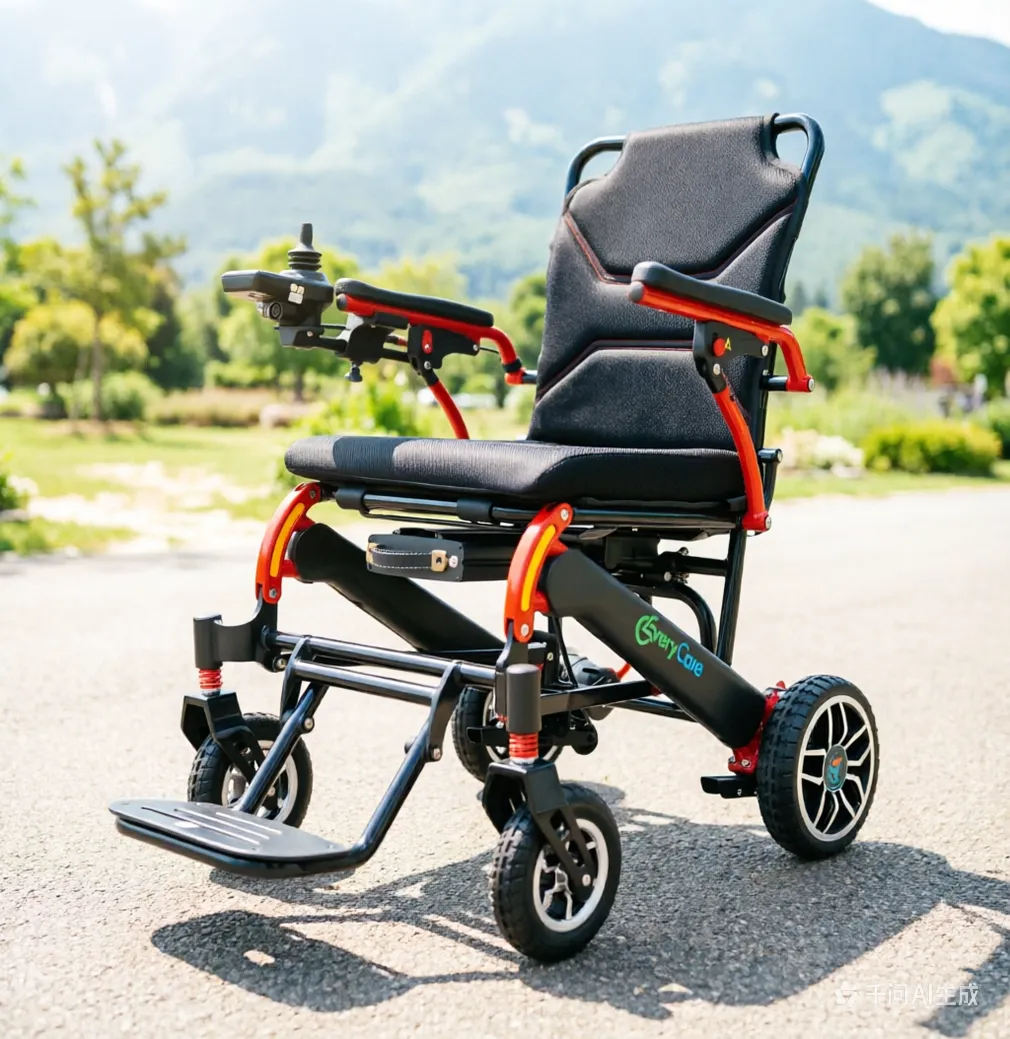
Feature 1: Lightweight, High-Strength Frame
Why It Matters:
The weight of your mobility device affects everything—how easy it is to transport, how much energy you expend handling it, and even where you can use it. A heavy frame can turn a simple car trip into a major undertaking. Research shows that device size and weight directly impact a user's ability to participate in activities and access different spaces -9.
What to Look For:
-
Aerospace-grade aluminum or advanced composite materials that offer exceptional strength without the weight
-
Total device weight ideally under 50 lbs (23 kg) for true portability
-
A frame that feels solid and stable despite being lightweight
Why This Matters:
Traditional powered wheelchairs are often described as "large and heavy" in clinical literature, which can make it difficult for users to join in activities and navigate confined spaces -9. Modern lightweight materials solve this problem without compromising durability.
| Material | Weight | Strength | Durability |
|---|---|---|---|
| Traditional Steel | Heavy | High | Rust-prone |
| Standard Aluminum | Moderate | Moderate | Good |
| Aerospace Aluminum | Lightweight | High | Excellent |
Feature 2: True Portability with Intelligent Folding
Why It Matters:
A mobility device should take you places, not confine you to places you can easily reach. True portability means you can effortlessly transition from home to car to airplane to destination. Research emphasizes that "size and transportability" are critical factors in whether a device will be effectively used and how well it integrates into daily life -9.
What to Look For:
-
Quick, tool-free folding mechanism (one-touch or simple two-step fold)
-
Compact folded dimensions that fit in standard car trunks
-
Ability to stand upright when folded (like luggage) for easy maneuvering
-
Optional travel bag or cover for protection during transport
The Game-Changer:
Modern engineering allows for devices that are both powerful and portable. Studies of various powered mobility options note that the most transportable devices are described as "small, relatively lightweight and easily transportable" -9. This means:
-
No more struggling with complex mechanisms
-
No more asking strangers for help
-
More spontaneity in your daily life
Feature 3: Long-Lasting, Airline-Compliant Battery
Why It Matters:
Your battery is your freedom. It determines how far you can go, how long you can stay out, and whether you can travel by air. Research confirms that battery performance and charging reliability are among the key equipment dimensions that influence device effectiveness and user satisfaction -9. Problems with batteries have been reported as a common issue by device users, making battery quality a critical consideration -9.
What to Look For:
-
Lithium-ion battery technology (lighter, longer-lasting, faster-charging than lead-acid)
-
Removable design for easy charging and transport
-
Airline-compliant capacity (typically under 300Wh for worry-free travel)
-
Real-world range that matches your typical daily needs (15-20 miles is ideal for most users)
Battery Comparison:
| Feature | Lead-Acid | Standard Lithium | Premium Lithium |
|---|---|---|---|
| Weight | Heavy (15-18 kg) | Light (5-7 kg) | Ultra-light |
| Lifespan | 1-2 years | 3-5 years | 5+ years |
| Charging Time | 8-12 hours | 4-6 hours | 2-4 hours |
| Reliability Reports | Common issues -9 | Fewer issues | Minimal issues |
Feature 4: Comfort, Ergonomics, and User-Centered Design
Why It Matters:
You'll likely spend significant time in your mobility device. If it's not comfortable, you won't use it—or worse, it could cause pain, pressure sores, or poor posture. Recent research on assistive devices emphasizes that user experience, ergonomics, and human-device interaction are critical factors that directly impact device acceptance and long-term satisfaction -10.
Studies evaluating user experience with mobility devices have identified several key dimensions:
-
Physical comfort during extended use
-
Ease of use and intuitive controls
-
Ergonomic fit with the user's body
-
Alignment with user expectations -10
What to Look For:
-
Padded, contoured seating with quality foam that doesn't flatten over time
-
Breathable, durable upholstery that stays comfortable in all weather
-
Adjustable components: armrests (height and width), footrests (angle and length), and backrest angle
-
Ergonomic joystick or controls that fit naturally in your hand
-
Suspension system or shock-absorbing tires for smoother rides
Research shows that when devices score high on usability and comfort, users report "favorable interaction and ergonomics, emphasizing ease of use, comfort, and alignment with user expectations" -10. These factors directly translate to better quality of life and more frequent device use.
Feature 5: Medical Necessity and Appropriate Classification
Why It Matters:
Not all powered mobility devices are created equal, and the right device for you depends on your specific medical needs. Understanding how devices are classified helps you work effectively with healthcare providers and insurance companies to get the right equipment.
Understanding Device Classifications:
Clinical guidelines define several groups of powered mobility devices based on user needs -5:
| Group | Description | Best For |
|---|---|---|
| Group 1-2 | Standard powered wheelchairs without complex power options | Users who need basic mobility without specialized seating functions -5 |
| Group 3 | Devices for individuals with neurological conditions, myopathy, or congenital skeletal deformity | Users who may need power tilt, recline, or alternative drive controls -5 |
| Group 4 | Devices with features not available in lower groups | Users with specific medical needs requiring advanced functionality -5 |
| Group 5 | Pediatric devices designed for growing children | Children expected to grow in height -5 |
Medical Necessity Criteria:
According to clinical guidelines, powered mobility devices are considered medically necessary when -5:
-
The individual lacks functional mobility to complete mobility-related activities of daily living
-
The living environment supports device use
-
The individual can operate the device safely and effectively
-
Other assistive devices (canes, walkers, manual wheelchairs) are insufficient
-
The condition requires long-term use (at least 6 months)
What This Means for You:
If you're seeking insurance coverage, work with your healthcare provider to document your needs according to these established criteria. If you're self-funding, understanding these classifications helps you choose a device appropriate for your condition and lifestyle.
Beyond the Five Features: What Else Matters?
While these five features are essential, research also highlights:
Durability and Reliability:
Studies have documented user reports of "problems with tyres and faulty tilt mechanisms" as well as "problems with faulty steering" -9. Look for devices with a track record of reliability and good warranties.
Indoor and Outdoor Versatility:
Research notes that devices are used across multiple settings—home, outdoors, laboratories, and community spaces -9. Your device should perform well wherever life takes you.
Warranty and Support:
-
Comprehensive warranty coverage (frame, motor, battery, electronics)
-
Responsive customer service
-
Available replacement parts
How Yutong-Everycare Delivers on All Five
At Yutong-Everycare , we've engineered our powered mobility devices around these five essential features because we know what matters most to active users:
| Feature | Our Solution | |
|---|---|---|
| Lightweight Frame | Aerospace-grade aluminum alloy | 50 lbs / 23 kg |
| Portable Folding | Patented one-touch fold | Folds in seconds, fits any trunk |
| Long-Life Battery | Premium lithium-ion, airline-compliant | 9-12mile (15-20km) range, removable |
| Ergonomic Comfort | Contoured seating, adjustable components | All-day comfort guaranteed |
| Clinically Appropriate | Meets or exceeds standards for Groups 1-2 | Suitable for most users |
We don't believe you should have to compromise. You deserve a device that's powerful yet portable, comfortable yet stylish, and reliable yet ready for adventure.
Summary: Your Evidence-Based Buying Checklist
Use this checklist when evaluating powered mobility devices, based on research-identified factors -9-10:
-
Weight and Size: Under 50 lbs? Compact when folded? (Affects transportability and access to spaces)
-
Battery: Lithium-ion? Removable? Reliable performance reported?
-
Comfort and Ergonomics: Adjustable components? Quality padding? Positive user experience reported?
-
Controls: Intuitive? Reliable? Appropriate for your physical abilities?
-
Durability: Good track record? No common issues with tires, tilt mechanisms, or steering?
-
Medical Appropriateness: Matches your condition and needs? Meets clinical guidelines if seeking insurance coverage?
-
Warranty: Comprehensive coverage? Good customer support?
Frequently Asked Questions
Q: How much should a portable mobility device weigh?
A: For true portability, look for devices under 50 lbs (23 kg). Research confirms that lighter, more transportable devices enable better participation in daily activities -9.
Q: Can I take a lithium-powered wheelchair on an airplane?
A: Yes, if the battery is under 300Wh. Always check with your airline in advance and ensure the battery is removable for transport.
Q: How do I know which "group" of wheelchair I need?
A: Consult with your healthcare provider. Group 3 devices are typically for individuals with neurological conditions, while Groups 1-2 may be appropriate for others -5.
Q: Are lightweight devices as durable as heavy ones?
A: Yes—when they're made with high-quality materials like aerospace aluminum. Research emphasizes that durability (tires, tilt mechanisms, steering) matters more than raw weight -9.
Q: How important is user experience in choosing a device?
A: Very important. Studies show that positive user experience, comfort, and ergonomic design strongly predict device acceptance and long-term satisfaction -10.
Conclusion: Your Independence, Reimagined
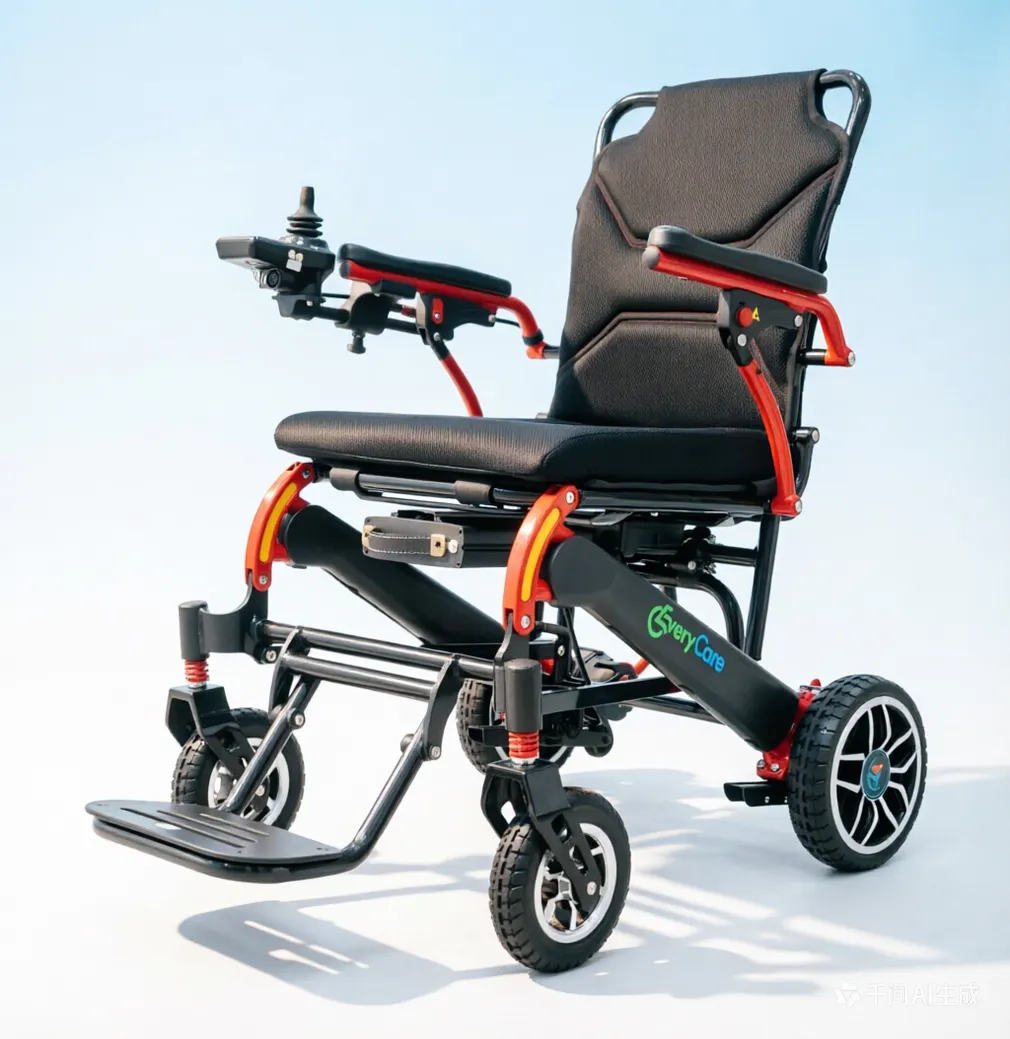
Choosing a modern powered mobility device is about more than just getting from point A to point B. It's about regaining freedom, exploring without limits, and living life on your own terms.
By focusing on these five evidence-based key features—lightweight construction, true portability, long-lasting battery, ergonomic comfort, and appropriate medical classification—you'll find a device that doesn't just assist you but empowers you.
Ready to experience the difference? Explore our collection of Yutong-Everycare lightweight, foldable electric wheelchairs and discover mobility reimagined.
Choosing a powered mobility device—whether an electric wheelchair or mobility scooter—is one of the most important decisions you'll make for your independence and quality of life. But with so many options on the market, how do you know what truly matters?
The truth is, not all mobility devices are created equal. Research has identified several key dimensions that influence how well a device meets user needs, including physical comfort, battery performance, control systems, size and transportability, and durability -9. Understanding these factors helps you make an informed choice that supports your lifestyle for years to come.
Here are the five essential features to look for when choosing a modern powered mobility device.
Feature 1: Lightweight, High-Strength Frame
Why It Matters:
The weight of your mobility device affects everything—how easy it is to transport, how much energy you expend handling it, and even where you can use it. A heavy frame can turn a simple car trip into a major undertaking. Research shows that device size and weight directly impact a user's ability to participate in activities and access different spaces -9.
What to Look For:
-
Aerospace-grade aluminum or advanced composite materials that offer exceptional strength without the weight
-
Total device weight ideally under 50 lbs (23 kg) for true portability
-
A frame that feels solid and stable despite being lightweight
Why This Matters:
Traditional powered wheelchairs are often described as "large and heavy" in clinical literature, which can make it difficult for users to join in activities and navigate confined spaces -9. Modern lightweight materials solve this problem without compromising durability.
| Material | Weight | Strength | Durability |
|---|---|---|---|
| Traditional Steel | Heavy | High | Rust-prone |
| Standard Aluminum | Moderate | Moderate | Good |
| Aerospace Aluminum | Lightweight | High | Excellent |
Feature 2: True Portability with Intelligent Folding
Why It Matters:
A mobility device should take you places, not confine you to places you can easily reach. True portability means you can effortlessly transition from home to car to airplane to destination. Research emphasizes that "size and transportability" are critical factors in whether a device will be effectively used and how well it integrates into daily life -9.
What to Look For:
-
Quick, tool-free folding mechanism (one-touch or simple two-step fold)
-
Compact folded dimensions that fit in standard car trunks
-
Ability to stand upright when folded (like luggage) for easy maneuvering
-
Optional travel bag or cover for protection during transport
The Game-Changer:
Modern engineering allows for devices that are both powerful and portable. Studies of various powered mobility options note that the most transportable devices are described as "small, relatively lightweight and easily transportable" -9. This means:
-
No more struggling with complex mechanisms
-
No more asking strangers for help
-
More spontaneity in your daily life
Feature 3: Long-Lasting, Airline-Compliant Battery
Why It Matters:
Your battery is your freedom. It determines how far you can go, how long you can stay out, and whether you can travel by air. Research confirms that battery performance and charging reliability are among the key equipment dimensions that influence device effectiveness and user satisfaction -9. Problems with batteries have been reported as a common issue by device users, making battery quality a critical consideration -9.
What to Look For:
-
Lithium-ion battery technology (lighter, longer-lasting, faster-charging than lead-acid)
-
Removable design for easy charging and transport
-
Airline-compliant capacity (typically under 300Wh for worry-free travel)
-
Real-world range that matches your typical daily needs (15-20 miles is ideal for most users)
Battery Comparison:
| Feature | Lead-Acid | Standard Lithium | Premium Lithium |
|---|---|---|---|
| Weight | Heavy (15-18 kg) | Light (5-7 kg) | Ultra-light |
| Lifespan | 1-2 years | 3-5 years | 5+ years |
| Charging Time | 8-12 hours | 4-6 hours | 2-4 hours |
| Reliability Reports | Common issues -9 | Fewer issues | Minimal issues |
Feature 4: Comfort, Ergonomics, and User-Centered Design
Why It Matters:
You'll likely spend significant time in your mobility device. If it's not comfortable, you won't use it—or worse, it could cause pain, pressure sores, or poor posture. Recent research on assistive devices emphasizes that user experience, ergonomics, and human-device interaction are critical factors that directly impact device acceptance and long-term satisfaction -10.
Studies evaluating user experience with mobility devices have identified several key dimensions:
-
Physical comfort during extended use
-
Ease of use and intuitive controls
-
Ergonomic fit with the user's body
-
Alignment with user expectations -10
What to Look For:
-
Padded, contoured seating with quality foam that doesn't flatten over time
-
Breathable, durable upholstery that stays comfortable in all weather
-
Adjustable components: armrests (height and width), footrests (angle and length), and backrest angle
-
Ergonomic joystick or controls that fit naturally in your hand
-
Suspension system or shock-absorbing tires for smoother rides
Research shows that when devices score high on usability and comfort, users report "favorable interaction and ergonomics, emphasizing ease of use, comfort, and alignment with user expectations" -10. These factors directly translate to better quality of life and more frequent device use.
Feature 5: Medical Necessity and Appropriate Classification
Why It Matters:
Not all powered mobility devices are created equal, and the right device for you depends on your specific medical needs. Understanding how devices are classified helps you work effectively with healthcare providers and insurance companies to get the right equipment.
Understanding Device Classifications:
Clinical guidelines define several groups of powered mobility devices based on user needs -5:
| Group | Description | Best For |
|---|---|---|
| Group 1-2 | Standard powered wheelchairs without complex power options | Users who need basic mobility without specialized seating functions -5 |
| Group 3 | Devices for individuals with neurological conditions, myopathy, or congenital skeletal deformity | Users who may need power tilt, recline, or alternative drive controls -5 |
| Group 4 | Devices with features not available in lower groups | Users with specific medical needs requiring advanced functionality -5 |
| Group 5 | Pediatric devices designed for growing children | Children expected to grow in height -5 |
Medical Necessity Criteria:
According to clinical guidelines, powered mobility devices are considered medically necessary when -5:
-
The individual lacks functional mobility to complete mobility-related activities of daily living
-
The living environment supports device use
-
The individual can operate the device safely and effectively
-
Other assistive devices (canes, walkers, manual wheelchairs) are insufficient
-
The condition requires long-term use (at least 6 months)
What This Means for You:
If you're seeking insurance coverage, work with your healthcare provider to document your needs according to these established criteria. If you're self-funding, understanding these classifications helps you choose a device appropriate for your condition and lifestyle.
Beyond the Five Features: What Else Matters?
While these five features are essential, research also highlights:
Durability and Reliability:
Studies have documented user reports of "problems with tyres and faulty tilt mechanisms" as well as "problems with faulty steering" -9. Look for devices with a track record of reliability and good warranties.
Indoor and Outdoor Versatility:
Research notes that devices are used across multiple settings—home, outdoors, laboratories, and community spaces -9. Your device should perform well wherever life takes you.
Warranty and Support:
-
Comprehensive warranty coverage (frame, motor, battery, electronics)
-
Responsive customer service
-
Available replacement parts
How Yutong-Everycare Delivers on All Five
At Yutong-Everycare , we've engineered our powered mobility devices around these five essential features because we know what matters most to active users:
| Feature | Our Solution | |
|---|---|---|
| Lightweight Frame | Aerospace-grade aluminum alloy | 50 lbs / 23 kg |
| Portable Folding | Patented one-touch fold | Folds in seconds, fits any trunk |
| Long-Life Battery | Premium lithium-ion, airline-compliant | 9-12mile (15-20km) range, removable |
| Ergonomic Comfort | Contoured seating, adjustable components | All-day comfort guaranteed |
| Clinically Appropriate | Meets or exceeds standards for Groups 1-2 | Suitable for most users |
We don't believe you should have to compromise. You deserve a device that's powerful yet portable, comfortable yet stylish, and reliable yet ready for adventure.
Summary: Your Evidence-Based Buying Checklist
Use this checklist when evaluating powered mobility devices, based on research-identified factors -9-10:
-
Weight and Size: Under 50 lbs? Compact when folded? (Affects transportability and access to spaces)
-
Battery: Lithium-ion? Removable? Reliable performance reported?
-
Comfort and Ergonomics: Adjustable components? Quality padding? Positive user experience reported?
-
Controls: Intuitive? Reliable? Appropriate for your physical abilities?
-
Durability: Good track record? No common issues with tires, tilt mechanisms, or steering?
-
Medical Appropriateness: Matches your condition and needs? Meets clinical guidelines if seeking insurance coverage?
-
Warranty: Comprehensive coverage? Good customer support?
Frequently Asked Questions
Q: How much should a portable mobility device weigh?
A: For true portability, look for devices under 50 lbs (23 kg). Research confirms that lighter, more transportable devices enable better participation in daily activities -9.
Q: Can I take a lithium-powered wheelchair on an airplane?
A: Yes, if the battery is under 300Wh. Always check with your airline in advance and ensure the battery is removable for transport.
Q: How do I know which "group" of wheelchair I need?
A: Consult with your healthcare provider. Group 3 devices are typically for individuals with neurological conditions, while Groups 1-2 may be appropriate for others -5.
Q: Are lightweight devices as durable as heavy ones?
A: Yes—when they're made with high-quality materials like aerospace aluminum. Research emphasizes that durability (tires, tilt mechanisms, steering) matters more than raw weight -9.
Q: How important is user experience in choosing a device?
A: Very important. Studies show that positive user experience, comfort, and ergonomic design strongly predict device acceptance and long-term satisfaction -10.
Conclusion: Your Independence, Reimagined
Choosing a modern powered mobility device is about more than just getting from point A to point B. It's about regaining freedom, exploring without limits, and living life on your own terms.
By focusing on these five evidence-based key features—lightweight construction, true portability, long-lasting battery, ergonomic comfort, and appropriate medical classification—you'll find a device that doesn't just assist you but empowers you.
Ready to experience the difference? Explore our collection of Yutong-Everycare lightweight, foldable electric wheelchairs and discover mobility reimagined.
Make every space a safer place!