
Copyright © 2024 Yutong (Zhejiang) Medical Technology Co. , Ltd.
Lithium-Ion Batteries in Powered Mobility: What You Need to Know
If you use a powered wheelchair or mobility scooter, you already know that your battery is the heart of your independence. It determines how far you can go, how reliably you can travel, and how much freedom you have in your daily life. But batteries can also be confusing—especially with all the technical terms like "amp hours," "voltage," and "lithium vs. lead-acid."
This guide will walk you through everything you need to know about lithium-ion batteries in powered mobility devices. No complicated jargon—just practical, useful information to help you get the most out of your battery and your wheelchair.
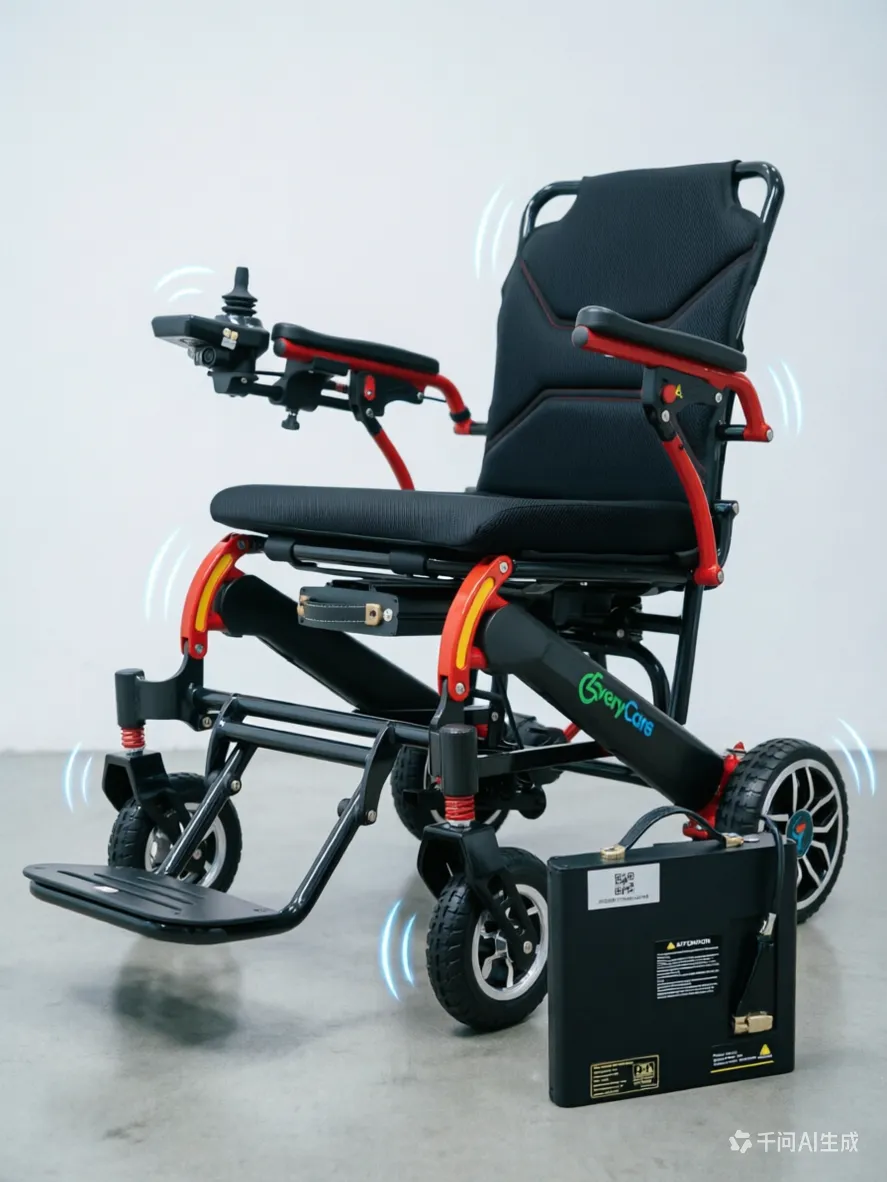
What Makes Lithium-Ion Batteries Special?
Lithium-ion batteries have revolutionized powered mobility, and for good reason. Compared to traditional sealed lead-acid (SLA) batteries, lithium-ion offers some game-changing advantages -3.
The biggest difference? Weight. A lithium battery can be up to 75% lighter than a lead-acid battery of similar capacity -7. For users who need to lift their wheelchair into a car or transport it frequently, this is a life-changer.
Here's how they compare at a glance -7-10:
| Feature | Lithium-Ion (LiFePO₄) | Sealed Lead-Acid (AGM/Gel) |
|---|---|---|
| Average Lifespan | 2,000 – 5,000+ cycles (3-5 years) | 200 – 500 cycles (1-2 years) |
| Weight (typical 50Ah) | Approx. 5 – 7 kg | Approx. 15 – 18 kg |
| Power Delivery | Consistent, fade-free until empty | Voltage drops as it discharges |
| Charging Time | Fast (2-4 hours) | Slow (6-12 hours) |
| Maintenance | None | None required (sealed type) |
| Upfront Cost | Higher | Lower |
| 5-Year Cost | Lower (buy once) | Higher (buy 2-4 times) |
While lead-acid batteries are cheaper upfront, lithium-ion batteries often save money over time because they last much longer and perform better -7.
Key Terms Made Simple
When shopping for or talking about lithium batteries, you'll encounter these terms. Here's what they actually mean:
Amp Hours (Ah): Think of this as your battery's "fuel tank size." Higher Ah means longer range between charges -2.
Voltage (V): This is your battery's "pressure." Most mobility scooters use 24V systems (two 12V batteries in series). Some performance models use 36V or 48V for more power -2.
Watt Hours (Wh): This is the total energy capacity (calculated as Ah × V). It's the number that matters most for air travel -2.
BMS (Battery Management System): This is your battery's "brain." It protects against overcharging, deep discharge, and overheating -7.
Charge Cycles: One full discharge and recharge. Lithium batteries handle hundreds or thousands of cycles before wearing out -10.
6 Practical Tips for Everyday Battery Care
Good habits keep your battery healthy and your independence uninterrupted.
1. Don't Wait for Empty
Unlike older battery types, lithium-ion does not like being fully drained. Charging when you're at 30-50% is ideal. Running to zero regularly will shorten its life -5-3.
2. Charge After Every Use
Get in the habit of charging your wheelchair after each day's use, even if you still have plenty of power left. This keeps the battery in its "happy zone" -3-10.
3. Use the Right Charger
Always use the charger that came with your wheelchair or an approved replacement. Wrong chargers can damage the battery or even cause fires -5-3.
4. Avoid Extreme Temperatures
Heat is the enemy of lithium batteries. Don't leave your wheelchair in a hot car or direct sun. Charge and store in a cool, dry place (ideally room temperature) -5-2.
5. For Long-Term Storage
If you won't use your wheelchair for weeks or months, charge the battery to about 50-70%, not 100%. Store it in a cool place and check/charge it every few months -5-3.
6. Keep an Eye on Performance
If you notice your range dropping, longer charging times, or unexpected shutdowns, your battery may need replacement -10.
Air Travel with Lithium Batteries: What You Must Know
Planning to fly with your mobility device? Lithium batteries have special rules. Follow these to avoid problems at the airport -4-9.
The 100Wh and 160Wh Rules
-
Under 100Wh: Usually allowed in carry-on or checked baggage without special approval.
-
100Wh – 160Wh: Airline approval required. You must request permission in advance.
-
Over 160Wh: Generally not allowed on passenger aircraft -4.
For Mobility Devices
-
You must tell the airline at check-in that you have a battery-powered wheelchair -9.
-
If the battery is easily removable, you may need to take it out and carry it separately (check with your airline) -9.
-
Battery terminals must be protected from short circuits (tape over terminals works) -9.
-
Spare batteries are limited (typically one under 300Wh or two under 160Wh) and must be in carry-on baggage -4-9.
Pro Travel Tip
Before booking, call your airline's special assistance line. Ask about their specific rules for lithium-powered wheelchairs. Rules can vary, and advance notice is often required -4-9.
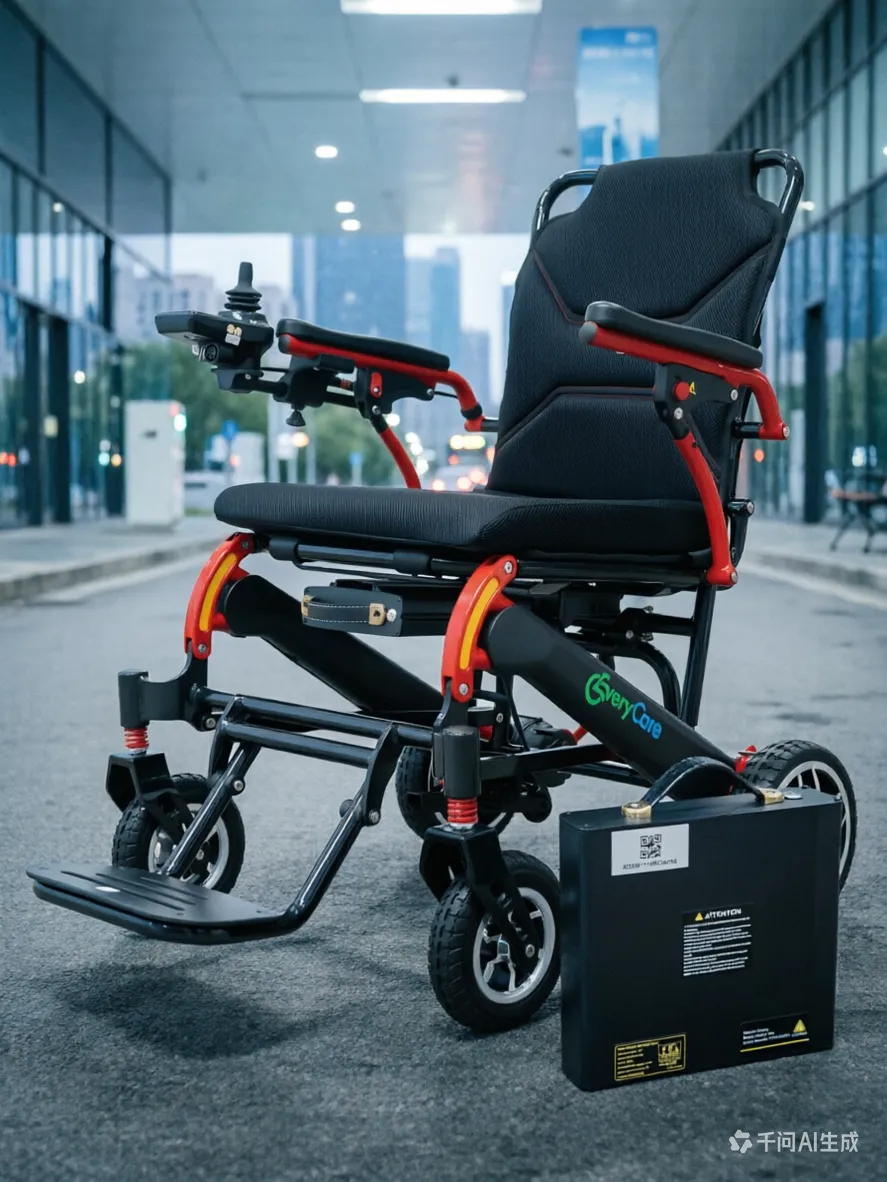
How to Extend Your Battery's Lifespan
Want your lithium battery to last as long as possible? Follow these expert tips -5-10:
-
Charge smart: Keep battery between 30-75% when possible. Only fully charge when you need maximum range.
-
Avoid heat: Never charge in direct sunlight or hot environments.
-
Don't store fully charged: For long storage, aim for ~70% charge.
-
Watch the hills: If you regularly climb steep slopes, your battery works harder. Keep it well-charged for these trips.
-
Keep it clean: Check terminals occasionally for dirt or corrosion (with power OFF).
Choosing the Right Battery for Your Needs
If you're in the market for a new wheelchair or replacement battery, here's what to consider -2-7-10:
Ask yourself:
-
How far do I typically travel in a day? (This determines Ah capacity needed)
-
Do I need to lift my wheelchair into a car? (If yes, lithium's lighter weight is a huge benefit)
-
Will I travel by air? (Ensure the battery is under 300Wh and airline-compliant)
-
What's my budget? (Higher upfront for lithium, but lower long-term cost)
For active users and frequent travelers, lithium-ion is almost always the better choice. The lighter weight, longer range, and faster charging make daily life easier -3-7.
For occasional, around-the-home use only, lead-acid may suffice—but even then, the longer life of lithium often makes it the smarter investment -7.
How Yutong-Everycare Batteries Are Different
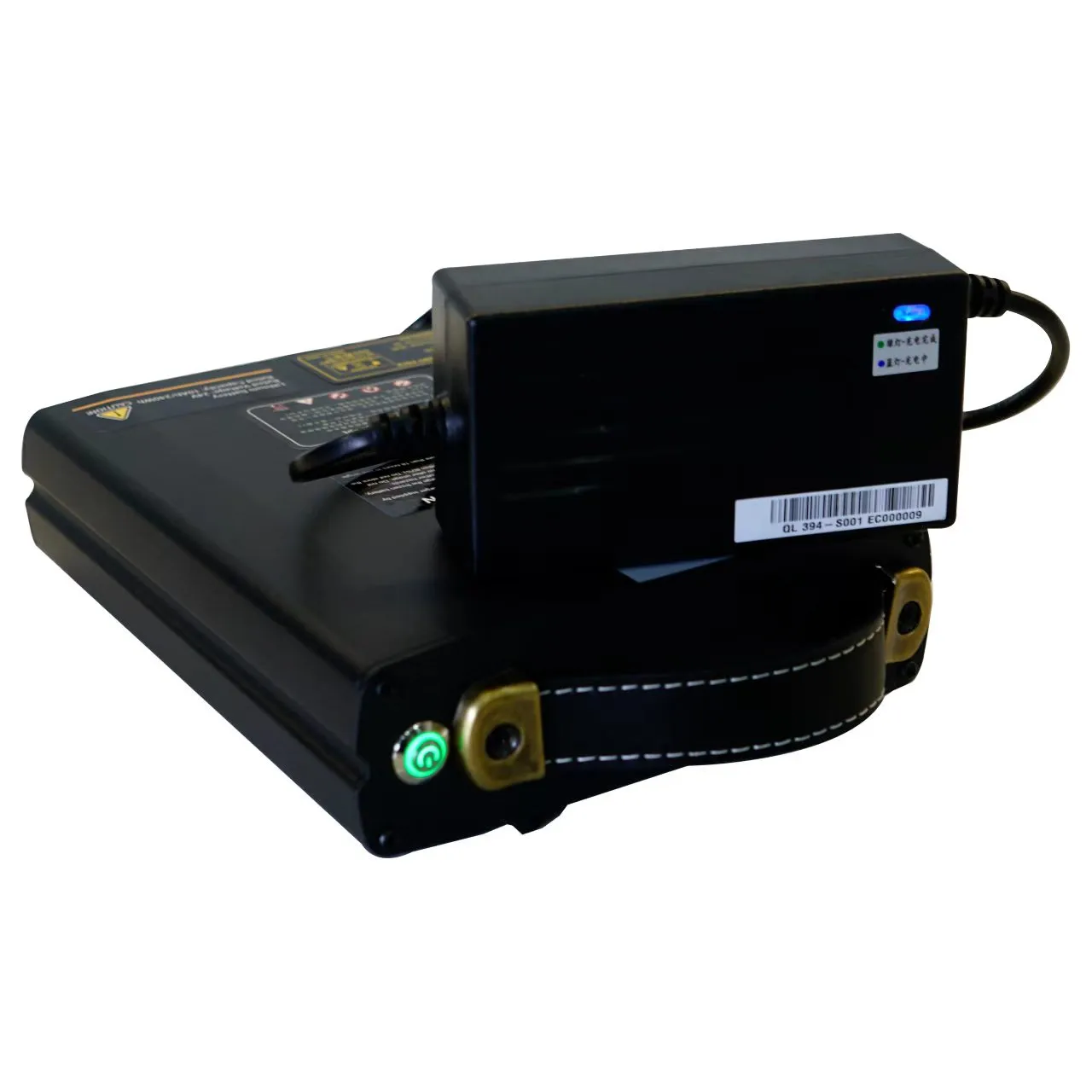
At Yutong-Everycare , we design our lightweight, foldable electric wheelchairs with the user's freedom in mind. That's why we use high-quality, airline-compliant lithium-ion batteries that are:
-
Removable: Easy to detach for charging or air travel
-
Lightweight: Contributes to our chairs' ultra-portable design
-
Long-lasting: Engineered for hundreds of worry-free trips
We believe your battery should empower your adventures, not limit them.
| Yutong-Everycare 288wh Airline Approved Lithium-Ion Battery |
 |
Frequently Asked Questions
Q: How often should I replace my lithium battery?
A: With proper care, every 3-5 years. You'll know it's time when your range drops noticeably -10.
Q: Can I overcharge my lithium battery?
A: Modern chargers with smart BMS prevent overcharging, but it's still good practice to unplug when full -8.
Q: Is it safe to charge overnight?
A: Most manufacturers recommend charging under supervision, not while you're asleep, just as a safety precaution -5.
Q: My wheelchair battery died quickly today. What happened?
A: Cold weather, hills, or headwinds can all reduce range temporarily. If it happens consistently, check battery health -2.
Q: Can I upgrade my old wheelchair to lithium?
A: Possibly, but you must ensure the controller and charger are compatible. Always consult your manufacturer or technician first -3.
Conclusion: Power Your Freedom with Confidence
Your wheelchair battery is more than just a power source—it's what makes independence possible. Understanding how it works, how to care for it, and what to look for when choosing one empowers you to make smart decisions and avoid unexpected problems.
With the right knowledge and the right battery, you can keep moving freely, safely, and confidently—wherever life takes you.
Ready to experience the difference a quality lithium battery makes? Explore our Yutong-Everycare lightweight electric wheelchairs, designed with travel-ready, long-lasting power you can count on.
If you use a powered wheelchair or mobility scooter, you already know that your battery is the heart of your independence. It determines how far you can go, how reliably you can travel, and how much freedom you have in your daily life. But batteries can also be confusing—especially with all the technical terms like "amp hours," "voltage," and "lithium vs. lead-acid."
This guide will walk you through everything you need to know about lithium-ion batteries in powered mobility devices. No complicated jargon—just practical, useful information to help you get the most out of your battery and your wheelchair.
What Makes Lithium-Ion Batteries Special?
Lithium-ion batteries have revolutionized powered mobility, and for good reason. Compared to traditional sealed lead-acid (SLA) batteries, lithium-ion offers some game-changing advantages -3.
The biggest difference? Weight. A lithium battery can be up to 75% lighter than a lead-acid battery of similar capacity -7. For users who need to lift their wheelchair into a car or transport it frequently, this is a life-changer.
Here's how they compare at a glance -7-10:
| Feature | Lithium-Ion (LiFePO₄) | Sealed Lead-Acid (AGM/Gel) |
|---|---|---|
| Average Lifespan | 2,000 – 5,000+ cycles (3-5 years) | 200 – 500 cycles (1-2 years) |
| Weight (typical 50Ah) | Approx. 5 – 7 kg | Approx. 15 – 18 kg |
| Power Delivery | Consistent, fade-free until empty | Voltage drops as it discharges |
| Charging Time | Fast (2-4 hours) | Slow (6-12 hours) |
| Maintenance | None | None required (sealed type) |
| Upfront Cost | Higher | Lower |
| 5-Year Cost | Lower (buy once) | Higher (buy 2-4 times) |
While lead-acid batteries are cheaper upfront, lithium-ion batteries often save money over time because they last much longer and perform better -7.
Key Terms Made Simple
When shopping for or talking about lithium batteries, you'll encounter these terms. Here's what they actually mean:
Amp Hours (Ah): Think of this as your battery's "fuel tank size." Higher Ah means longer range between charges -2.
Voltage (V): This is your battery's "pressure." Most mobility scooters use 24V systems (two 12V batteries in series). Some performance models use 36V or 48V for more power -2.
Watt Hours (Wh): This is the total energy capacity (calculated as Ah × V). It's the number that matters most for air travel -2.
BMS (Battery Management System): This is your battery's "brain." It protects against overcharging, deep discharge, and overheating -7.
Charge Cycles: One full discharge and recharge. Lithium batteries handle hundreds or thousands of cycles before wearing out -10.
6 Practical Tips for Everyday Battery Care
Good habits keep your battery healthy and your independence uninterrupted.
1. Don't Wait for Empty
Unlike older battery types, lithium-ion does not like being fully drained. Charging when you're at 30-50% is ideal. Running to zero regularly will shorten its life -5-3.
2. Charge After Every Use
Get in the habit of charging your wheelchair after each day's use, even if you still have plenty of power left. This keeps the battery in its "happy zone" -3-10.
3. Use the Right Charger
Always use the charger that came with your wheelchair or an approved replacement. Wrong chargers can damage the battery or even cause fires -5-3.
4. Avoid Extreme Temperatures
Heat is the enemy of lithium batteries. Don't leave your wheelchair in a hot car or direct sun. Charge and store in a cool, dry place (ideally room temperature) -5-2.
5. For Long-Term Storage
If you won't use your wheelchair for weeks or months, charge the battery to about 50-70%, not 100%. Store it in a cool place and check/charge it every few months -5-3.
6. Keep an Eye on Performance
If you notice your range dropping, longer charging times, or unexpected shutdowns, your battery may need replacement -10.
Air Travel with Lithium Batteries: What You Must Know
Planning to fly with your mobility device? Lithium batteries have special rules. Follow these to avoid problems at the airport -4-9.
The 100Wh and 160Wh Rules
-
Under 100Wh: Usually allowed in carry-on or checked baggage without special approval.
-
100Wh – 160Wh: Airline approval required. You must request permission in advance.
-
Over 160Wh: Generally not allowed on passenger aircraft -4.
For Mobility Devices
-
You must tell the airline at check-in that you have a battery-powered wheelchair -9.
-
If the battery is easily removable, you may need to take it out and carry it separately (check with your airline) -9.
-
Battery terminals must be protected from short circuits (tape over terminals works) -9.
-
Spare batteries are limited (typically one under 300Wh or two under 160Wh) and must be in carry-on baggage -4-9.
Pro Travel Tip
Before booking, call your airline's special assistance line. Ask about their specific rules for lithium-powered wheelchairs. Rules can vary, and advance notice is often required -4-9.
How to Extend Your Battery's Lifespan
Want your lithium battery to last as long as possible? Follow these expert tips -5-10:
-
Charge smart: Keep battery between 30-75% when possible. Only fully charge when you need maximum range.
-
Avoid heat: Never charge in direct sunlight or hot environments.
-
Don't store fully charged: For long storage, aim for ~70% charge.
-
Watch the hills: If you regularly climb steep slopes, your battery works harder. Keep it well-charged for these trips.
-
Keep it clean: Check terminals occasionally for dirt or corrosion (with power OFF).
Choosing the Right Battery for Your Needs
If you're in the market for a new wheelchair or replacement battery, here's what to consider -2-7-10:
Ask yourself:
-
How far do I typically travel in a day? (This determines Ah capacity needed)
-
Do I need to lift my wheelchair into a car? (If yes, lithium's lighter weight is a huge benefit)
-
Will I travel by air? (Ensure the battery is under 300Wh and airline-compliant)
-
What's my budget? (Higher upfront for lithium, but lower long-term cost)
For active users and frequent travelers, lithium-ion is almost always the better choice. The lighter weight, longer range, and faster charging make daily life easier -3-7.
For occasional, around-the-home use only, lead-acid may suffice—but even then, the longer life of lithium often makes it the smarter investment -7.
How Yutong-Everycare Batteries Are Different
At Yutong-Everycare , we design our lightweight, foldable electric wheelchairs with the user's freedom in mind. That's why we use high-quality, airline-compliant lithium-ion batteries that are:
-
Removable: Easy to detach for charging or air travel
-
Lightweight: Contributes to our chairs' ultra-portable design
-
Long-lasting: Engineered for hundreds of worry-free trips
We believe your battery should empower your adventures, not limit them.
| Yutong-Everycare 288wh Airline Approved Lithium-Ion Battery |
|
Frequently Asked Questions
Q: How often should I replace my lithium battery?
A: With proper care, every 3-5 years. You'll know it's time when your range drops noticeably -10.
Q: Can I overcharge my lithium battery?
A: Modern chargers with smart BMS prevent overcharging, but it's still good practice to unplug when full -8.
Q: Is it safe to charge overnight?
A: Most manufacturers recommend charging under supervision, not while you're asleep, just as a safety precaution -5.
Q: My wheelchair battery died quickly today. What happened?
A: Cold weather, hills, or headwinds can all reduce range temporarily. If it happens consistently, check battery health -2.
Q: Can I upgrade my old wheelchair to lithium?
A: Possibly, but you must ensure the controller and charger are compatible. Always consult your manufacturer or technician first -3.
Conclusion: Power Your Freedom with Confidence
Your wheelchair battery is more than just a power source—it's what makes independence possible. Understanding how it works, how to care for it, and what to look for when choosing one empowers you to make smart decisions and avoid unexpected problems.
With the right knowledge and the right battery, you can keep moving freely, safely, and confidently—wherever life takes you.
Ready to experience the difference a quality lithium battery makes? Explore our Yutong-Everycare lightweight electric wheelchairs, designed with travel-ready, long-lasting power you can count on.
Make every space a safer place!