
Copyright © 2024 Yutong (Zhejiang) Medical Technology Co. , Ltd.
Understanding Power Mobility Classes: What Do They Mean for Users?
If you're exploring powered mobility options—whether for yourself or a loved one—you've likely encountered terms like "Group 2" or "Group 3" power wheelchairs. These classifications aren't just technical jargon; they represent meaningful differences in functionality, performance, and suitability for various user needs.
Understanding these classes is essential for making an informed decision, especially if you're navigating insurance coverage or Medicare reimbursement. In this guide, we'll break down what power mobility classes mean, who they're designed for, and how to choose the right level for your lifestyle.
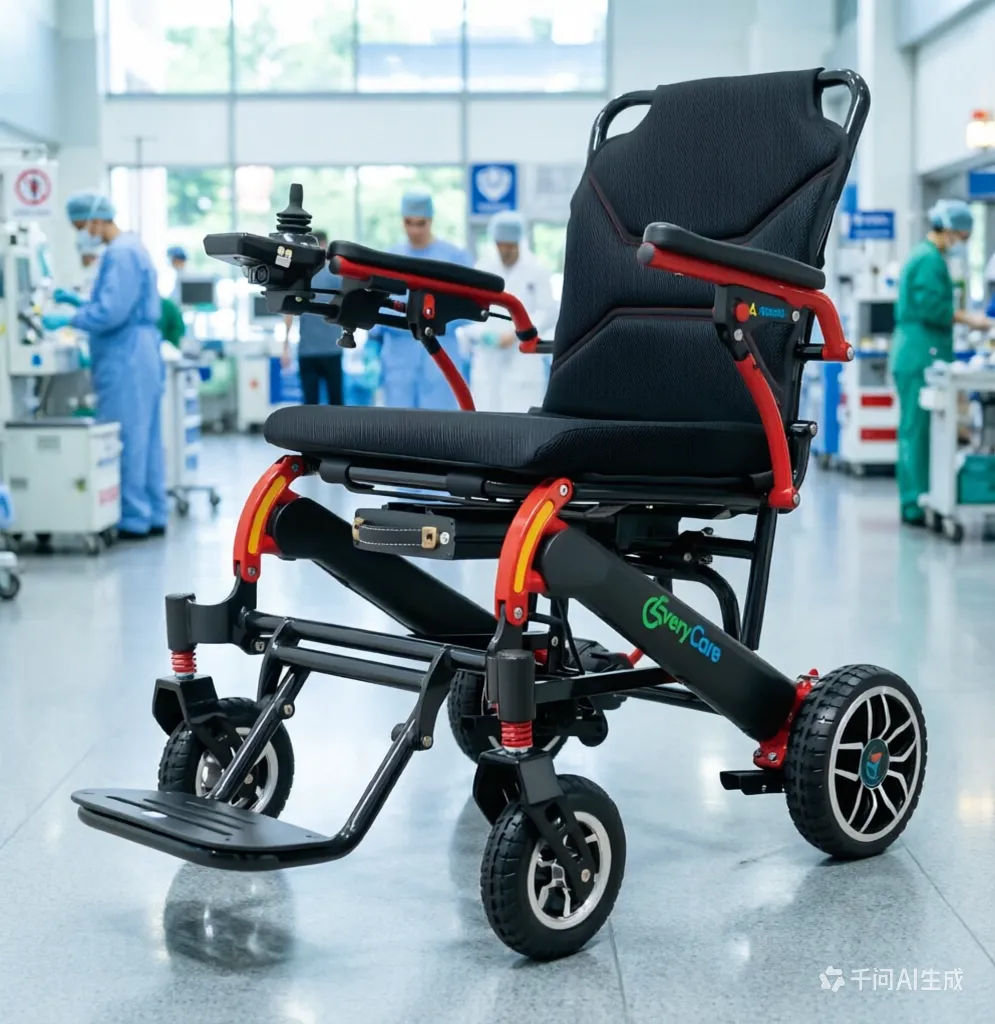
What Are Power Mobility Classes?
Power mobility classes—also referred to as "groups"—are categories established primarily by the Centers for Medicare & Medicaid Services (CMS) to classify power wheelchairs based on their features, capabilities, and the clinical needs of users -1. These classifications determine:
-
What equipment is medically necessary for different user profiles
-
Which devices qualify for insurance reimbursement
-
The level of technology and adjustability a wheelchair offers
For users, understanding these classes helps you:
-
Communicate effectively with healthcare providers
-
Set realistic expectations about what your wheelchair can do
-
Navigate the insurance approval process with confidence
The Main Power Mobility Classes
Group 2 Power Wheelchairs
Group 2 power wheelchairs are the entry point into powered mobility for many users. They feature basic power seating and standard joystick controls.
Typical Features:
-
Standard captain's seat configuration
-
Basic programmable joystick control
-
Limited power seating options (may include tilt or elevating leg rests only)
-
Moderate motor power suitable for indoor use and some outdoor surfaces
Who Benefits Most:
Group 2 power wheelchairs are generally appropriate for users who:
-
Have non-qualifying neurological diagnoses (such as diabetes, peripheral neuropathy, or lower extremity amputations)
-
Are capable of changing their body position independently for pressure relief
-
Need mobility primarily for indoor use with occasional outdoor trips -9
Real-World Context: A user with advanced diabetes-related mobility limitations who needs assistance getting around the home but doesn't require complex postural support would likely be well-served by a Group 2 chair.
Group 3 Power Wheelchairs
Group 3 represents a significant step up in capability and customization. These chairs feature more powerful motors and a full range of power seating options.
Typical Features:
-
More powerful drive motors for varied terrain
-
Multiple power seating options (tilt, recline, elevating leg rests, seat elevation)
-
Rehab seating options including custom seats and backs
-
Greater frame adjustability
-
Potential for alternative driving controls
-
Light packages (headlights) available when equipped with full seat functions -9
Who Benefits Most:
Group 3 power wheelchairs are designed for users with qualifying neurological diagnoses such as:
-
Stroke with spastic hemiplegia
-
Spinal cord injury
-
Parkinson's disease
-
Multiple sclerosis
-
Muscular dystrophy
-
ALS (Amyotrophic Lateral Sclerosis) -9
Medical Necessity Indicators:
A Group 3 chair may be medically necessary when the user:
-
Needs assistance changing body position to prevent pressure ulcers
-
Requires repositioning for pain relief
-
Needs to transfer to varied height surfaces
-
Must manage spastic tone through power seating functions -9
Group 4 Power Wheelchairs
Group 4 represents the highest level of power wheelchair technology, with the addition of standing capability.
Key Feature:
-
Power standing function that allows the user to rise from seated to standing position while in the chair
Who Benefits Most:
Group 4 chairs are most commonly needed for:
-
Pediatric users who require standing for school access
-
Individuals with spinal cord injury who benefit from standing programs for medical reasons
Important Note: Standing functions require extensive documentation and only certain diagnoses qualify for coverage -9.
Beyond Groups: Understanding Drive Wheel Configuration
Beyond the CMS groups, power wheelchairs are also categorized by their drive wheel configuration, which significantly affects handling and performance -2.
| Configuration | Pros | Best For |
|---|---|---|
| Rear-Wheel Drive | Excellent stability on all terrains; better downhill speed control; fastest speeds; greatest suspension options -2 | Heavy outdoor use; users who prioritize stability and speed |
| Mid-Wheel Drive | Superior maneuverability; tightest turning radius | Indoor use; navigating tight spaces like elevators and small rooms |
| Front-Wheel Drive | Good curb-climbing ability; stable pull | Users who need to navigate obstacles |
Power Operated Vehicles (POVs) / Scooters: A Different Category
It's important to distinguish power wheelchairs from Power Operated Vehicles (POVs), commonly called scooters. While both are powered mobility devices, they serve different user populations -1-2.
POV/Scooter Features:
-
Three or four wheels
-
Steering tiller (like a bicycle)
-
Platform for feet
-
Swivel seat for easier transfers
Pros:
-
Doesn't look like a wheelchair (aesthetic preference)
-
Technically transportable—breaks into pieces -2
Cons:
-
Three-wheel models are less stable and may tip
-
Four-wheel models have very large turning radius
-
Seating is limited with minimal postural support
-
Difficult to obtain through insurance due to low reimbursement rates -9
Who Benefits:
Scooters may be appropriate for users who can walk short distances, have good upper body strength, and need assistance primarily with longer journeys -2.
The Evaluation and Approval Process
Understanding the classes is just the first step. Here's what the process typically looks like for obtaining a funded power wheelchair -9:
Step 1: Physician Evaluation
The patient completes a face-to-face evaluation with their provider. Documentation must indicate:
-
Qualifying diagnoses
-
Inability to ambulate household distances (typically 50 feet)
-
Why a mobility device is needed for Mobility-Related Activities of Daily Living (MRADLs)
Step 2: Referral
The provider writes an order for a mobility device evaluation, typically specifying "OT/PT for mobility device evaluation."
Step 3: Therapy Evaluation
The patient completes an evaluation with an occupational or physical therapist and a vendor. A Letter of Medical Necessity (LMN) is written, justifying each medically necessary component.
Step 4: Insurance Review
Documentation is submitted to insurance. For Medicare, prior authorization typically takes around 10 business days -5.
Step 5: Delivery
Once approved, parts are ordered, the device is assembled, and it's delivered to the patient's home with training.
Timeline Expectation: From evaluation to delivery, the process typically takes 60 to 90 days -9.
Medicare Coverage and Power Mobility Classes
Medicare Part B may cover power wheelchairs as durable medical equipment (DME) when medically necessary -5-1.
Key Coverage Points:
-
A prescription from a Medicare-affiliated doctor is required
-
The device must be for in-home use (insurance will not pay for devices needed only outside the home) -9
-
Coverage is available once every 5 years -5
Recent Developments:
As of 2023, Medicare now covers power seat elevation equipment on Group 3 complex rehabilitative power wheelchairs when specific criteria are met, including:
-
The individual performs weight-bearing transfers OR
-
Requires non-weight bearing transfers OR
-
Performs reaching from the wheelchair to complete MRADLs -4-8
This represents a significant expansion of benefits for users with severe disabilities.
How This Relates to Modern Lightweight, Foldable Wheelchairs
You might wonder: where do lightweight, portable travel wheelchairs fit into these classifications?
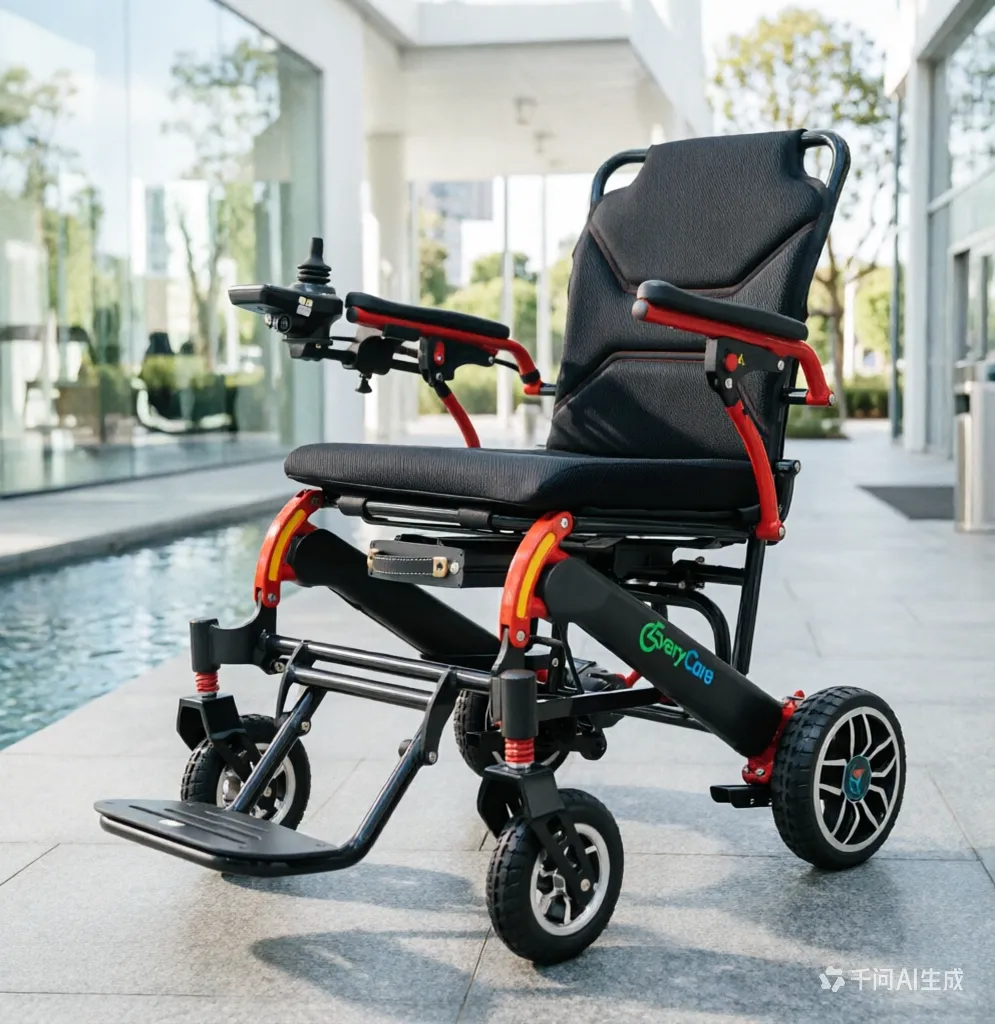
The groups we've discussed primarily apply to complex rehab technology—chairs designed for users with significant postural and positioning needs, often funded through insurance. However, many active users with less complex needs are choosing modern, lightweight power wheelchairs that don't fit neatly into these traditional categories.
These innovative devices offer:
-
Ultra-lightweight frames (often under 50 lbs) using high-strength aerospace aluminum
-
Quick-fold or one-touch folding mechanisms for effortless transport
-
Sleek, modern aesthetics with attractive color options
-
Removable, airline-compliant lithium batteries for true travel freedom
For users who don't require complex rehab seating but value independence, travel capability, and style, these lightweight power chairs represent an exciting alternative to traditional Group 2 options.
Choosing the Right Class for Your Needs
Questions to Ask Your Healthcare Provider:
-
Where will I use it most?
-
Primarily indoors with occasional outdoor trips → Group 2 may suffice
-
Varied terrain, significant outdoor use → Group 3 likely needed
-
-
Do I have a qualifying neurological diagnosis?
-
Yes → May qualify for Group 3 with advanced seating functions
-
No → Group 2 or a lightweight portable chair may be appropriate
-
-
Do I need help changing position?
-
Can reposition independently → Lower-level chair may work
-
Need tilt/recline for pressure relief or pain management → Group 3 with power seating
-
-
Will I travel with my chair?
-
Yes, frequently → Consider ultra-lightweight portable models
-
Rarely transport → Weight may be less critical
-
-
Am I seeking insurance coverage?
-
Yes → Must meet specific criteria for in-home medical necessity
-
Self-funding → More flexibility to choose based on lifestyle preferences
-
Practical Considerations Beyond Classes
Weight Capacity
Insurance criteria include specific weight class requirements:
-
Heavy Duty: 285-450 pounds
-
Very Heavy Duty: 428-600 pounds
-
Extra Heavy Duty: 570 pounds or more -1
Home Accessibility
Before any power wheelchair is approved, the user's home must provide adequate access between rooms, maneuvering space, and appropriate surfaces for operation -1.
Caregiver Support
If the user cannot safely operate the wheelchair, a caregiver must be available, willing, and able to operate it safely -1.
Frequently Asked Questions
Q: What's the difference between Group 2 and Group 3 power wheelchairs?
A: Group 2 offers basic power mobility with limited seating options, suitable for users without complex postural needs. Group 3 provides more powerful motors, a full range of power seating functions (tilt, recline, seat elevation), and rehab seating options for users with neurological diagnoses who need assistance with positioning and pressure relief -9.
Q: Does Medicare cover lightweight portable wheelchairs?
A: Medicare coverage is based on medical necessity for in-home use, not portability features. If a lightweight chair meets your medical needs and is deemed the most appropriate option by your provider, it may be covered. However, many users who prioritize travel and portability choose to self-fund modern lightweight chairs that offer features beyond basic medical necessity.
Q: How often will Medicare pay for a power wheelchair?
A: Medicare Part B typically covers one piece of DME equipment, such as a wheelchair, once every 5 years -5.
Q: Can I get a scooter through insurance?
A: Yes, but scooters (POVs) are increasingly difficult to obtain through insurance due to low reimbursement rates. Some vendors may offer them as a service rather than a profit-generating product -9.
Q: Do I need a prescription for a power wheelchair?
A: For insurance coverage, yes. The prescription must note that you qualify based on mobility limitations, that you plan to get it from an authorized supplier, and that the prescribing doctor evaluated you within 6 months before writing the order -5.
Q: What's the timeline for getting a funded power wheelchair?
A: From evaluation to delivery, the process typically takes 60 to 90 days -9.
Making an Informed Choice
Understanding power mobility classes empowers you to have meaningful conversations with your healthcare providers and make choices aligned with your needs and lifestyle. Whether you require the advanced positioning of a Group 3 complex rehab chair or the travel-friendly portability of a modern lightweight power wheelchair, the right device can transform your independence and quality of life.
At Yutong-Everycare , we specialize in lightweight, foldable power wheelchairs designed for active individuals who refuse to let mobility challenges limit their world. Our chairs combine the power and reliability you need with the portability and style you want—because true mobility should empower, not encumber.
Ready to explore your options? Contact us to learn more about how our lightweight power wheelchairs can support your active lifestyle, or consult with your healthcare provider about which class of mobility device is right for you.
Disclaimer: This guide is for informational purposes only and does not constitute medical advice or insurance guidance. Coverage policies vary by provider and location. Always consult with your healthcare provider and insurance company regarding your specific situation.
If you're exploring powered mobility options—whether for yourself or a loved one—you've likely encountered terms like "Group 2" or "Group 3" power wheelchairs. These classifications aren't just technical jargon; they represent meaningful differences in functionality, performance, and suitability for various user needs.
Understanding these classes is essential for making an informed decision, especially if you're navigating insurance coverage or Medicare reimbursement. In this guide, we'll break down what power mobility classes mean, who they're designed for, and how to choose the right level for your lifestyle.
What Are Power Mobility Classes?
Power mobility classes—also referred to as "groups"—are categories established primarily by the Centers for Medicare & Medicaid Services (CMS) to classify power wheelchairs based on their features, capabilities, and the clinical needs of users -1. These classifications determine:
-
What equipment is medically necessary for different user profiles
-
Which devices qualify for insurance reimbursement
-
The level of technology and adjustability a wheelchair offers
For users, understanding these classes helps you:
-
Communicate effectively with healthcare providers
-
Set realistic expectations about what your wheelchair can do
-
Navigate the insurance approval process with confidence
The Main Power Mobility Classes
Group 2 Power Wheelchairs
Group 2 power wheelchairs are the entry point into powered mobility for many users. They feature basic power seating and standard joystick controls.
Typical Features:
-
Standard captain's seat configuration
-
Basic programmable joystick control
-
Limited power seating options (may include tilt or elevating leg rests only)
-
Moderate motor power suitable for indoor use and some outdoor surfaces
Who Benefits Most:
Group 2 power wheelchairs are generally appropriate for users who:
-
Have non-qualifying neurological diagnoses (such as diabetes, peripheral neuropathy, or lower extremity amputations)
-
Are capable of changing their body position independently for pressure relief
-
Need mobility primarily for indoor use with occasional outdoor trips -9
Real-World Context: A user with advanced diabetes-related mobility limitations who needs assistance getting around the home but doesn't require complex postural support would likely be well-served by a Group 2 chair.
Group 3 Power Wheelchairs
Group 3 represents a significant step up in capability and customization. These chairs feature more powerful motors and a full range of power seating options.
Typical Features:
-
More powerful drive motors for varied terrain
-
Multiple power seating options (tilt, recline, elevating leg rests, seat elevation)
-
Rehab seating options including custom seats and backs
-
Greater frame adjustability
-
Potential for alternative driving controls
-
Light packages (headlights) available when equipped with full seat functions -9
Who Benefits Most:
Group 3 power wheelchairs are designed for users with qualifying neurological diagnoses such as:
-
Stroke with spastic hemiplegia
-
Spinal cord injury
-
Parkinson's disease
-
Multiple sclerosis
-
Muscular dystrophy
-
ALS (Amyotrophic Lateral Sclerosis) -9
Medical Necessity Indicators:
A Group 3 chair may be medically necessary when the user:
-
Needs assistance changing body position to prevent pressure ulcers
-
Requires repositioning for pain relief
-
Needs to transfer to varied height surfaces
-
Must manage spastic tone through power seating functions -9
Group 4 Power Wheelchairs
Group 4 represents the highest level of power wheelchair technology, with the addition of standing capability.
Key Feature:
-
Power standing function that allows the user to rise from seated to standing position while in the chair
Who Benefits Most:
Group 4 chairs are most commonly needed for:
-
Pediatric users who require standing for school access
-
Individuals with spinal cord injury who benefit from standing programs for medical reasons
Important Note: Standing functions require extensive documentation and only certain diagnoses qualify for coverage -9.
Beyond Groups: Understanding Drive Wheel Configuration
Beyond the CMS groups, power wheelchairs are also categorized by their drive wheel configuration, which significantly affects handling and performance -2.
| Configuration | Pros | Best For |
|---|---|---|
| Rear-Wheel Drive | Excellent stability on all terrains; better downhill speed control; fastest speeds; greatest suspension options -2 | Heavy outdoor use; users who prioritize stability and speed |
| Mid-Wheel Drive | Superior maneuverability; tightest turning radius | Indoor use; navigating tight spaces like elevators and small rooms |
| Front-Wheel Drive | Good curb-climbing ability; stable pull | Users who need to navigate obstacles |
Power Operated Vehicles (POVs) / Scooters: A Different Category
It's important to distinguish power wheelchairs from Power Operated Vehicles (POVs), commonly called scooters. While both are powered mobility devices, they serve different user populations -1-2.
POV/Scooter Features:
-
Three or four wheels
-
Steering tiller (like a bicycle)
-
Platform for feet
-
Swivel seat for easier transfers
Pros:
-
Doesn't look like a wheelchair (aesthetic preference)
-
Technically transportable—breaks into pieces -2
Cons:
-
Three-wheel models are less stable and may tip
-
Four-wheel models have very large turning radius
-
Seating is limited with minimal postural support
-
Difficult to obtain through insurance due to low reimbursement rates -9
Who Benefits:
Scooters may be appropriate for users who can walk short distances, have good upper body strength, and need assistance primarily with longer journeys -2.
The Evaluation and Approval Process
Understanding the classes is just the first step. Here's what the process typically looks like for obtaining a funded power wheelchair -9:
Step 1: Physician Evaluation
The patient completes a face-to-face evaluation with their provider. Documentation must indicate:
-
Qualifying diagnoses
-
Inability to ambulate household distances (typically 50 feet)
-
Why a mobility device is needed for Mobility-Related Activities of Daily Living (MRADLs)
Step 2: Referral
The provider writes an order for a mobility device evaluation, typically specifying "OT/PT for mobility device evaluation."
Step 3: Therapy Evaluation
The patient completes an evaluation with an occupational or physical therapist and a vendor. A Letter of Medical Necessity (LMN) is written, justifying each medically necessary component.
Step 4: Insurance Review
Documentation is submitted to insurance. For Medicare, prior authorization typically takes around 10 business days -5.
Step 5: Delivery
Once approved, parts are ordered, the device is assembled, and it's delivered to the patient's home with training.
Timeline Expectation: From evaluation to delivery, the process typically takes 60 to 90 days -9.
Medicare Coverage and Power Mobility Classes
Medicare Part B may cover power wheelchairs as durable medical equipment (DME) when medically necessary -5-1.
Key Coverage Points:
-
A prescription from a Medicare-affiliated doctor is required
-
The device must be for in-home use (insurance will not pay for devices needed only outside the home) -9
-
Coverage is available once every 5 years -5
Recent Developments:
As of 2023, Medicare now covers power seat elevation equipment on Group 3 complex rehabilitative power wheelchairs when specific criteria are met, including:
-
The individual performs weight-bearing transfers OR
-
Requires non-weight bearing transfers OR
-
Performs reaching from the wheelchair to complete MRADLs -4-8
This represents a significant expansion of benefits for users with severe disabilities.
How This Relates to Modern Lightweight, Foldable Wheelchairs
You might wonder: where do lightweight, portable travel wheelchairs fit into these classifications?
The groups we've discussed primarily apply to complex rehab technology—chairs designed for users with significant postural and positioning needs, often funded through insurance. However, many active users with less complex needs are choosing modern, lightweight power wheelchairs that don't fit neatly into these traditional categories.
These innovative devices offer:
-
Ultra-lightweight frames (often under 50 lbs) using high-strength aerospace aluminum
-
Quick-fold or one-touch folding mechanisms for effortless transport
-
Sleek, modern aesthetics with attractive color options
-
Removable, airline-compliant lithium batteries for true travel freedom
For users who don't require complex rehab seating but value independence, travel capability, and style, these lightweight power chairs represent an exciting alternative to traditional Group 2 options.
Choosing the Right Class for Your Needs
Questions to Ask Your Healthcare Provider:
-
Where will I use it most?
-
Primarily indoors with occasional outdoor trips → Group 2 may suffice
-
Varied terrain, significant outdoor use → Group 3 likely needed
-
-
Do I have a qualifying neurological diagnosis?
-
Yes → May qualify for Group 3 with advanced seating functions
-
No → Group 2 or a lightweight portable chair may be appropriate
-
-
Do I need help changing position?
-
Can reposition independently → Lower-level chair may work
-
Need tilt/recline for pressure relief or pain management → Group 3 with power seating
-
-
Will I travel with my chair?
-
Yes, frequently → Consider ultra-lightweight portable models
-
Rarely transport → Weight may be less critical
-
-
Am I seeking insurance coverage?
-
Yes → Must meet specific criteria for in-home medical necessity
-
Self-funding → More flexibility to choose based on lifestyle preferences
-
Practical Considerations Beyond Classes
Weight Capacity
Insurance criteria include specific weight class requirements:
-
Heavy Duty: 285-450 pounds
-
Very Heavy Duty: 428-600 pounds
-
Extra Heavy Duty: 570 pounds or more -1
Home Accessibility
Before any power wheelchair is approved, the user's home must provide adequate access between rooms, maneuvering space, and appropriate surfaces for operation -1.
Caregiver Support
If the user cannot safely operate the wheelchair, a caregiver must be available, willing, and able to operate it safely -1.
Frequently Asked Questions
Q: What's the difference between Group 2 and Group 3 power wheelchairs?
A: Group 2 offers basic power mobility with limited seating options, suitable for users without complex postural needs. Group 3 provides more powerful motors, a full range of power seating functions (tilt, recline, seat elevation), and rehab seating options for users with neurological diagnoses who need assistance with positioning and pressure relief -9.
Q: Does Medicare cover lightweight portable wheelchairs?
A: Medicare coverage is based on medical necessity for in-home use, not portability features. If a lightweight chair meets your medical needs and is deemed the most appropriate option by your provider, it may be covered. However, many users who prioritize travel and portability choose to self-fund modern lightweight chairs that offer features beyond basic medical necessity.
Q: How often will Medicare pay for a power wheelchair?
A: Medicare Part B typically covers one piece of DME equipment, such as a wheelchair, once every 5 years -5.
Q: Can I get a scooter through insurance?
A: Yes, but scooters (POVs) are increasingly difficult to obtain through insurance due to low reimbursement rates. Some vendors may offer them as a service rather than a profit-generating product -9.
Q: Do I need a prescription for a power wheelchair?
A: For insurance coverage, yes. The prescription must note that you qualify based on mobility limitations, that you plan to get it from an authorized supplier, and that the prescribing doctor evaluated you within 6 months before writing the order -5.
Q: What's the timeline for getting a funded power wheelchair?
A: From evaluation to delivery, the process typically takes 60 to 90 days -9.
Making an Informed Choice
Understanding power mobility classes empowers you to have meaningful conversations with your healthcare providers and make choices aligned with your needs and lifestyle. Whether you require the advanced positioning of a Group 3 complex rehab chair or the travel-friendly portability of a modern lightweight power wheelchair, the right device can transform your independence and quality of life.
At Yutong-Everycare , we specialize in lightweight, foldable power wheelchairs designed for active individuals who refuse to let mobility challenges limit their world. Our chairs combine the power and reliability you need with the portability and style you want—because true mobility should empower, not encumber.
Ready to explore your options? Contact us to learn more about how our lightweight power wheelchairs can support your active lifestyle, or consult with your healthcare provider about which class of mobility device is right for you.
Disclaimer: This guide is for informational purposes only and does not constitute medical advice or insurance guidance. Coverage policies vary by provider and location. Always consult with your healthcare provider and insurance company regarding your specific situation.
Make every space a safer place!